Let's slow the Time Together
Pre-wedding Day Rituals
As a photographer and founder of LightStrikes Photography, I believe that a wedding is far more than a single day - it is a living story shaped by culture, emotion, and the deeply personal rituals that bring two lives together. We have witnessed time and again that the true beginning of a wedding story does not start at the aisle, but in the days that lead up to it. Having documented multi-day weddings and immersive cultural celebrations, we see how anticipation unfolds slowly - through shared rituals, quiet preparations, laughter, and moments of reflection that carry deep emotional weight. Through the lens, we feel the soul of these days, where tradition and intention intertwine, setting the emotional foundation for everything that follows. The pre-wedding rituals shared below are meant to inspire you to design a layered, meaningful experience—one rich in symbolism and private meaning—creating memories and unspoken promises that will continue to resonate long after the celebration has passed, living quietly and powerfully within your marriage.Check if our team is available to capture your wedding day: Complimentary Consultation
India
In India, the days before the wedding are not a countdown but an unfolding, where time stretches gently as hands are painted with henna and bodies are blessed with turmeric, allowing the couple to feel the weight and beauty of what they are stepping into.
As the bride watches intricate patterns form on her skin, she understands that marriage is not only a promise made once, but a protection layered slowly, deliberately, and lovingly.
Family laughter surrounds her, not as background noise, but as reassurance that love grows best when witnessed and shared.
For the couple, these rituals feel like being wrapped in history, as if generations are quietly saying, we carried you here, now walk forward together.
If you are looking for a team of experienced photographers - LightStrikes is based in the United States and available worldwide, we accept a limited number of weddings each year and would be honored to explore whether our approach aligns with your vision—schedule a complimentary consultation and let’s connect: Complimentary Consultation.
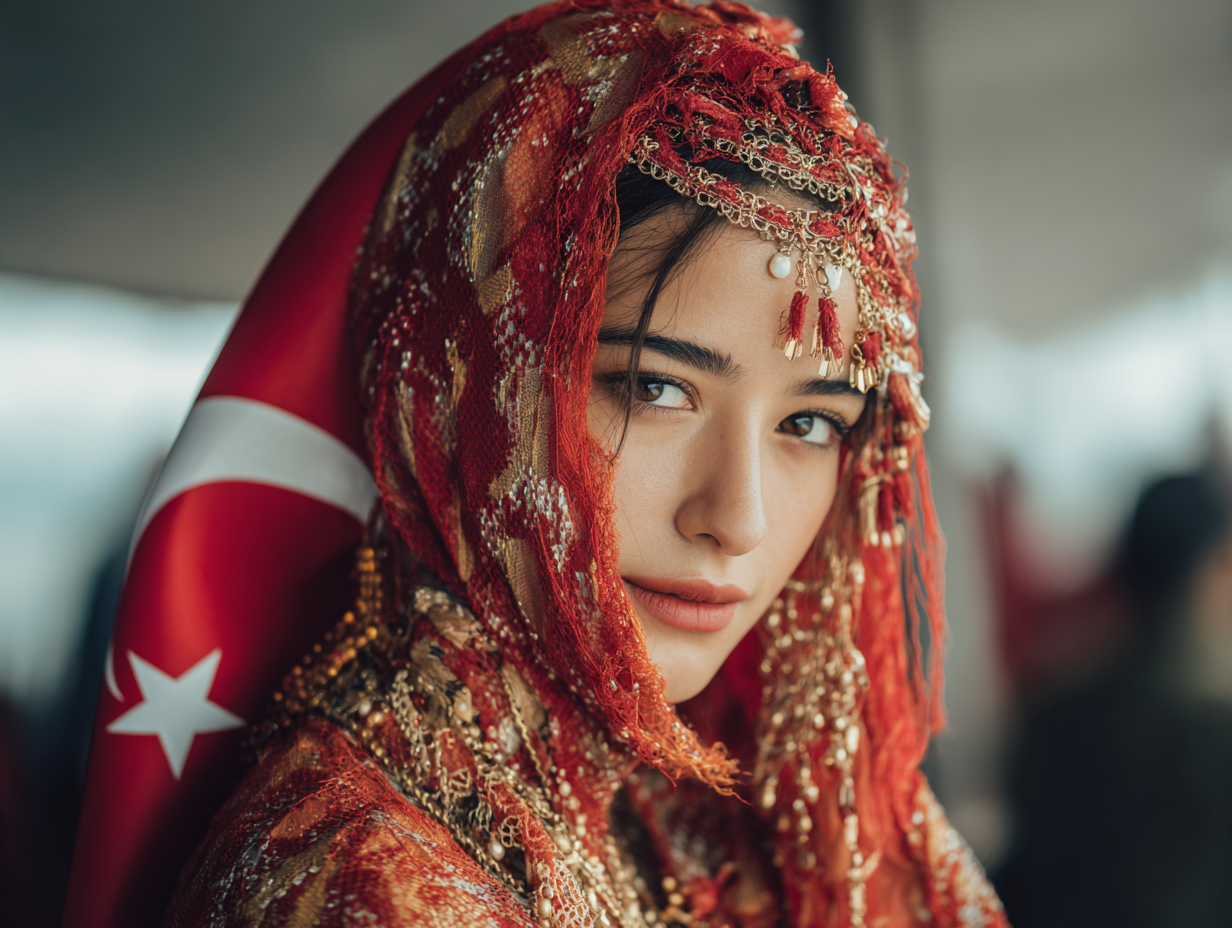
Turkey
In Turkey, henna night carries a soft sadness that honors change without fear, allowing the bride to cry openly as loved ones sing songs about leaving one life behind to claim another.
The tears do not signal loss, but courage—the understanding that love requires the willingness to be transformed.
When the couple reflects on this night, they remember not celebration alone, but the permission to feel deeply before stepping forward.
This ritual teaches them that marriage is strongest when emotions are welcomed, not restrained.
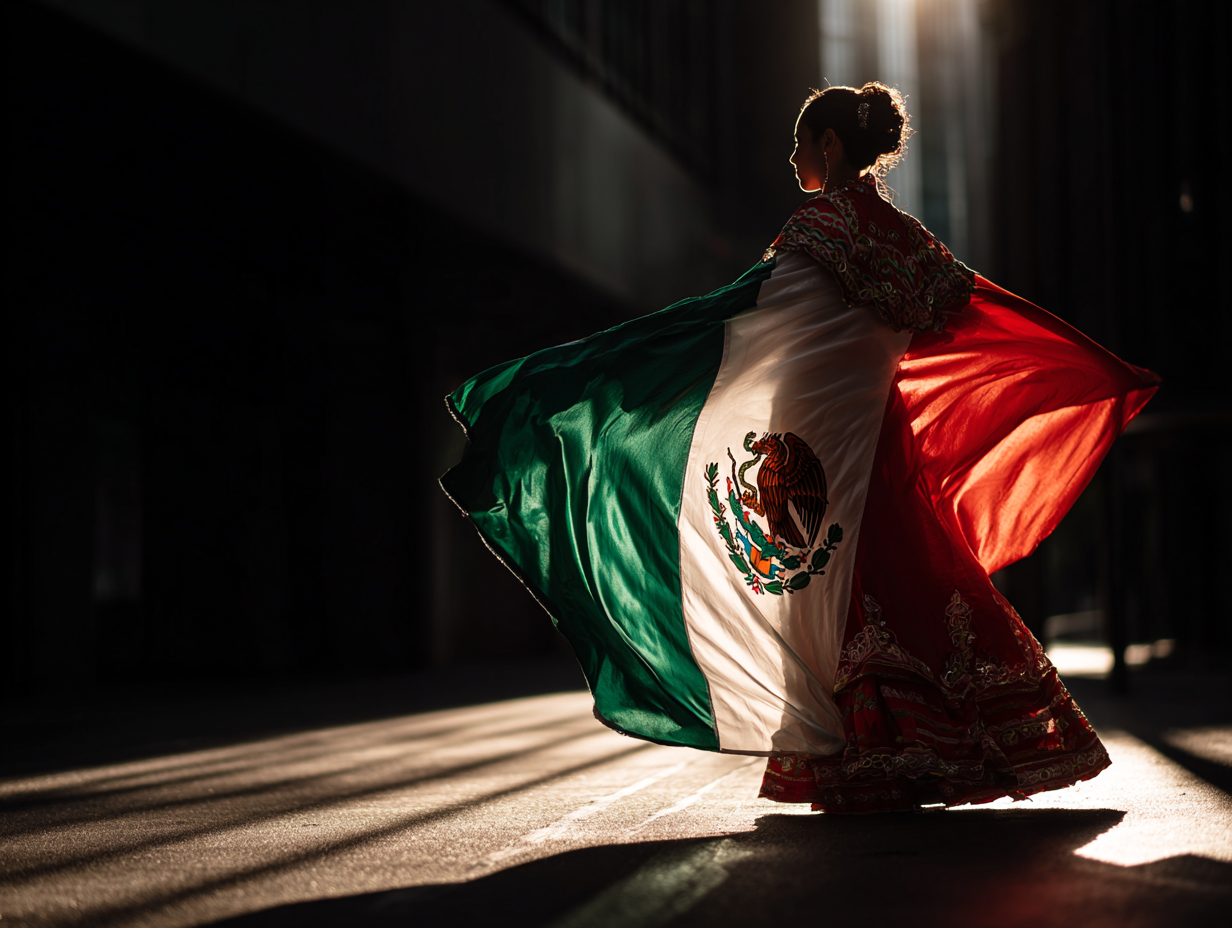
Mexico
In Mexico, pre-wedding rituals often take place around long tables filled with food prepared together, reminding the couple that marriage is built not only on romance, but on shared effort and generosity.
As hands pass ingredients and stories flow freely, the couple feels how love becomes real through cooperation and presence.
Elders offer blessings quietly, not in grand ceremony, but through glances and gestures that carry decades of wisdom.
This moment teaches the couple that belonging is one of marriage’s greatest gifts.
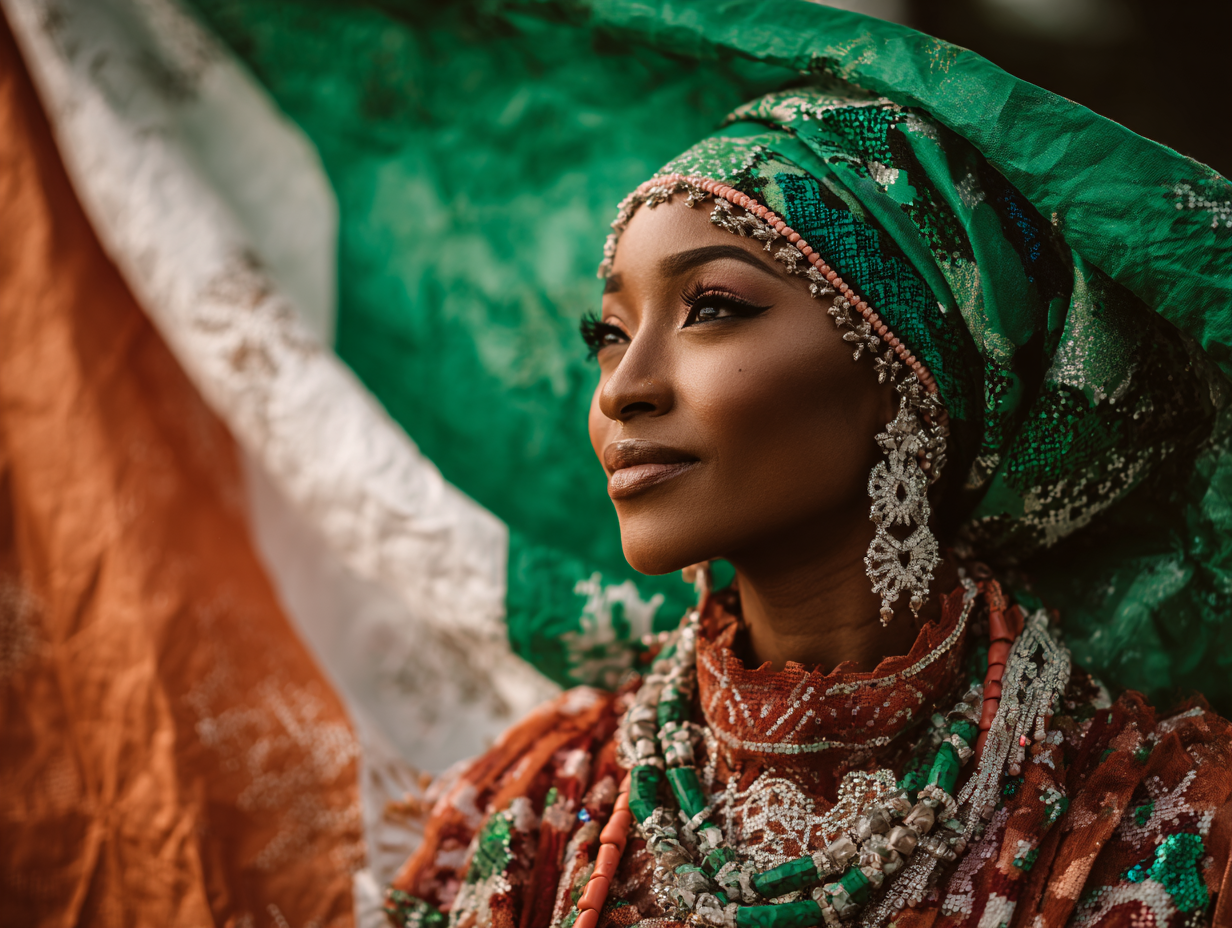
Nigeria
In Nigeria, pre-wedding rituals involve the entire community, making it clear that love does not exist in isolation, but thrives when supported by many voices and many hands.
Drumming, prayers, and spoken blessings surround the couple, grounding them in responsibility as much as joy.
As the couple stands before elders, they feel both honored and humbled, understanding that marriage asks them to be accountable not just to each other, but to the people who raised them.
This ritual reminds them that love gains strength when it is seen and supported.
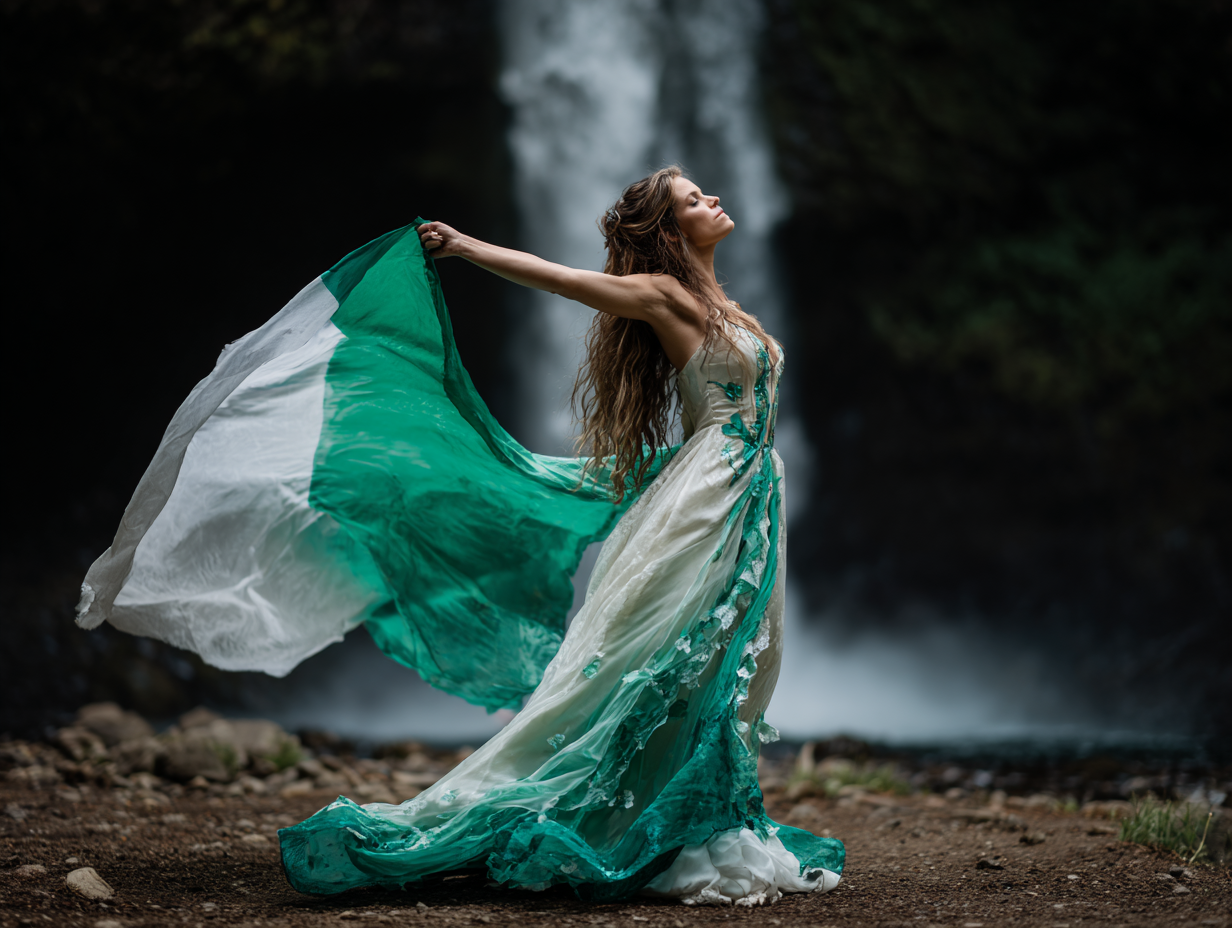
Ireland
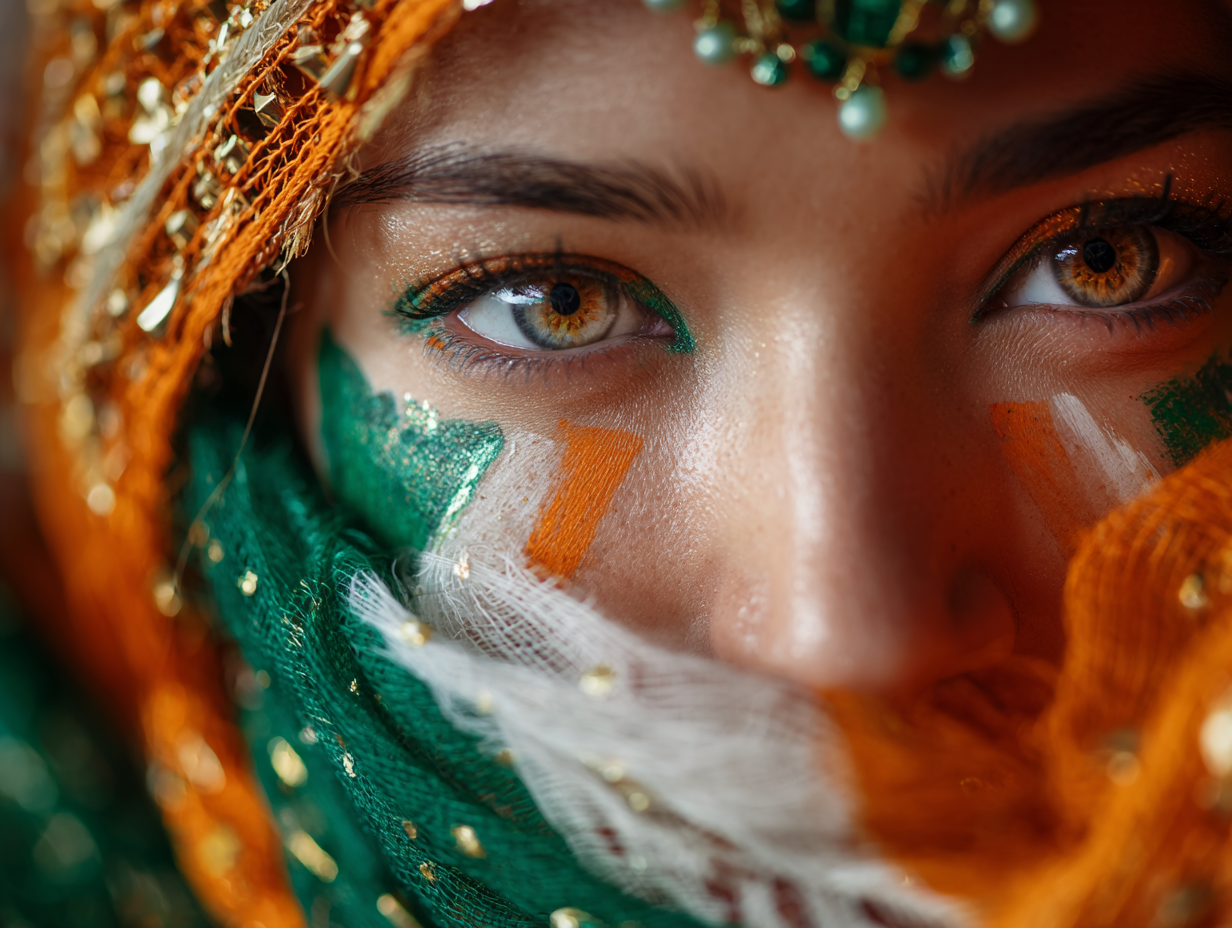
In Ireland, the pre-wedding blessing of the hands often takes place quietly, away from guests, where the couple stands facing one another while their hands are gently joined and wrapped together in cloth or cord.
This moment is less about words and more about presence, allowing the couple to feel the physical reality of commitment before it is publicly declared.
As hands are bound, the couple reflects on how love will be carried not only in hearts, but in daily actions—work, care, patience, and shared responsibility.
The ritual offers calm before celebration, grounding the couple in the understanding that marriage is built not on spectacle, but on the simple promise to hold one another through every season.
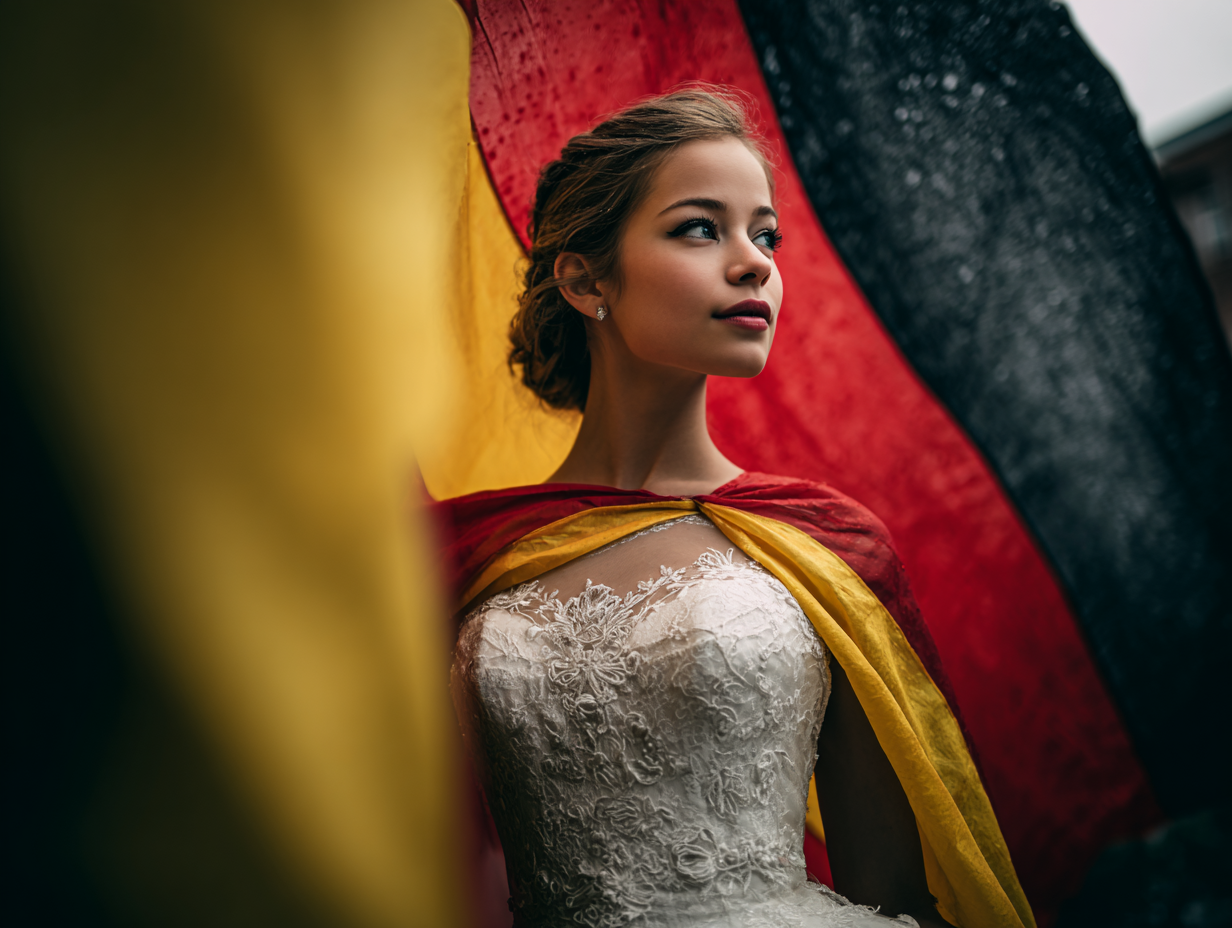
Germany — Polterabend (Breaking Porcelain Night)
In Germany, the pre-wedding celebration known as Polterabend gathers friends and family to deliberately break porcelain outside the couple’s home, filling the night with noise, laughter, and purposeful chaos.
The couple must clean the broken pieces together, symbolizing that marriage will inevitably include challenges, messes, and unexpected moments that can only be overcome through cooperation.
As they work side by side, there is no hierarchy—only partnership—teaching that unity is built through shared effort rather than perfection.
For couples, this ritual transforms disruption into bonding, reminding them that love is strengthened not by avoiding difficulty, but by facing it together.
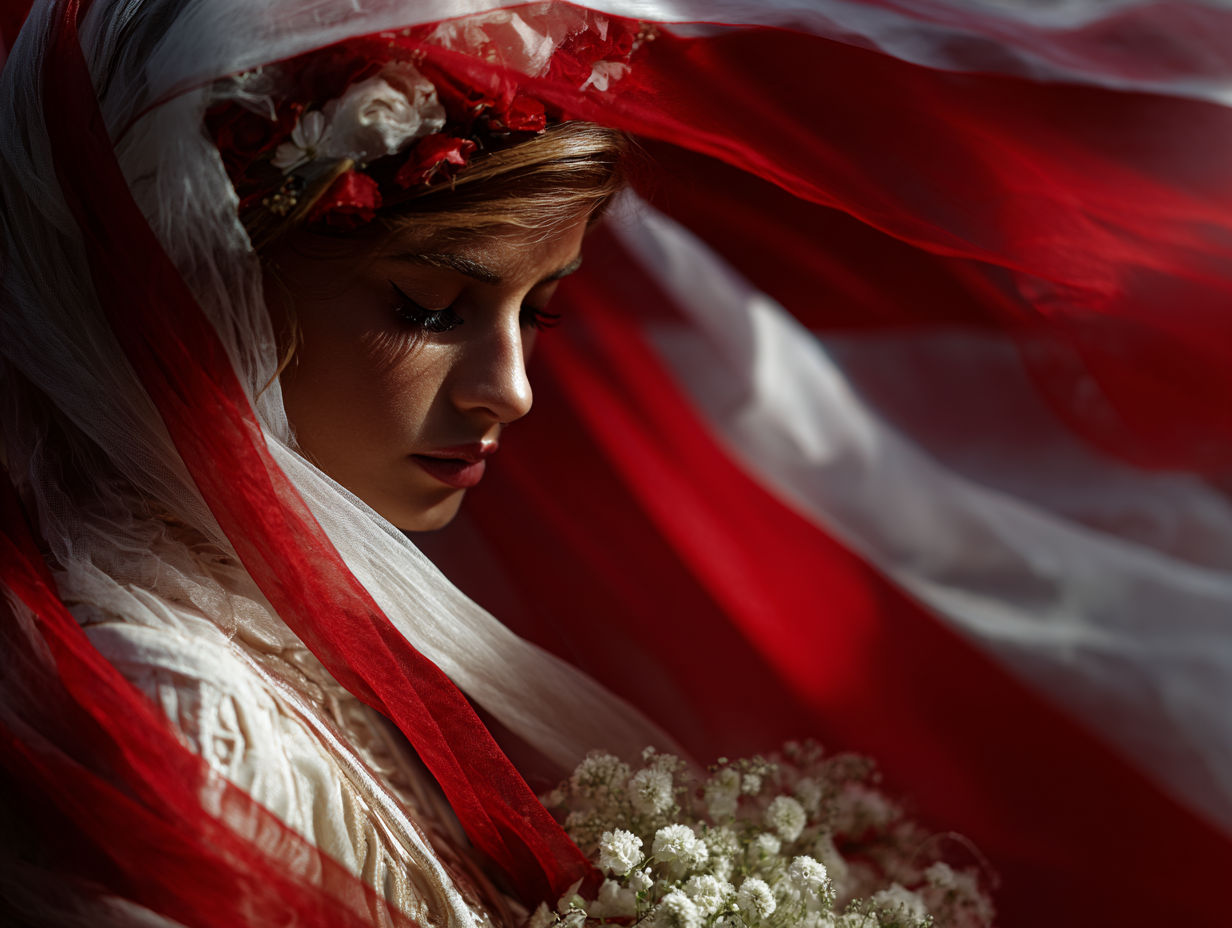
Poland — Parental Blessing (Błogosławieństwo Rodziców)
In Poland, the wedding day often begins not with celebration, but with stillness, as the couple kneels before their parents to receive a formal blessing inside the family home.
Hands rest gently on bowed heads while quiet prayers are spoken, creating a moment that feels suspended between generations, where love is acknowledged as something inherited as much as chosen.
For the couple, this ritual carries a profound emotional weight, reminding them that their marriage is built on sacrifices, guidance, and unconditional care that came long before this day.
It is a moment of humility and gratitude, where love feels both deeply personal and beautifully collective.
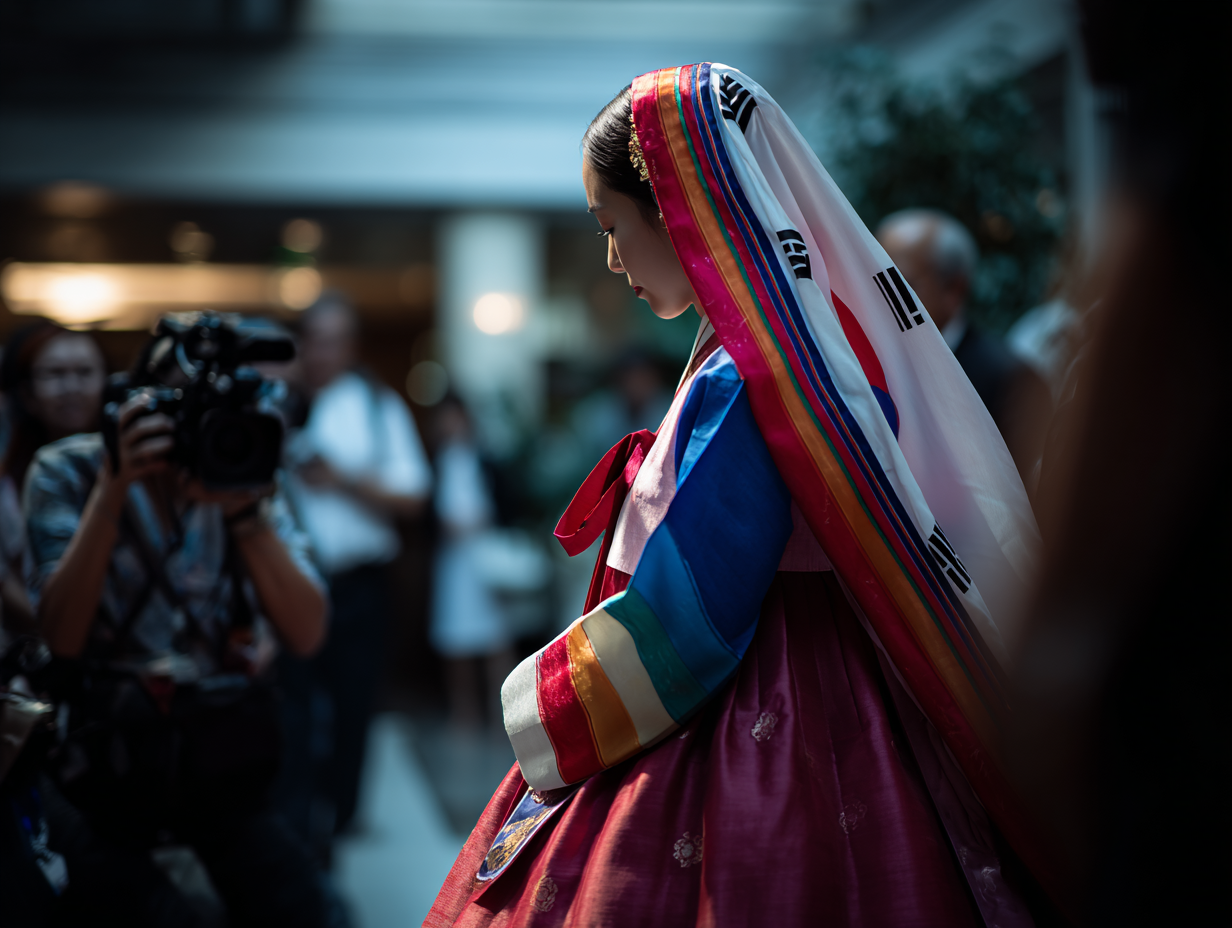
South Korea — Formal Family Acknowledgment
In South Korea, structured pre-wedding customs emphasize respect, gratitude, and lineage, allowing the couple to enter marriage with humility rather than urgency.
Formal meetings between families are intentional and calm, offering space to recognize shared values and responsibilities.
The couple feels the weight of continuity, realizing they are not beginning something entirely new, but extending something already alive.
Marriage here feels less like a leap, and more like a careful, meaningful step.
The Bride
Bride Preparation Rituals — Becoming, Not Performing
Before the ceremony, before the vows, and before the world begins to watch, the bride’s preparation unfolds as one of the most intimate chapters of the wedding story. Across cultures, these rituals are not about adornment or perfection, but about transformation—where a woman is witnessed as she steps from one season of life into another, carrying her heritage, emotions, and quiet strength with her. In these moments, time softens: hands adjust fabric slowly, breath steadies, laughter and tears share the same space. For couples, bride preparation rituals remind us that marriage does not begin at the altar, but in the stillness where identity, family, and intention gently align, creating a foundation that will hold long after the celebration fades.
If you are looking for a team of experienced photographers - LightStrikes is based in the United States and available worldwide, we accept a limited number of weddings each year and would be honored to explore whether our approach aligns with your vision—schedule a complimentary consultation and let’s connect: Complimentary Consultation.
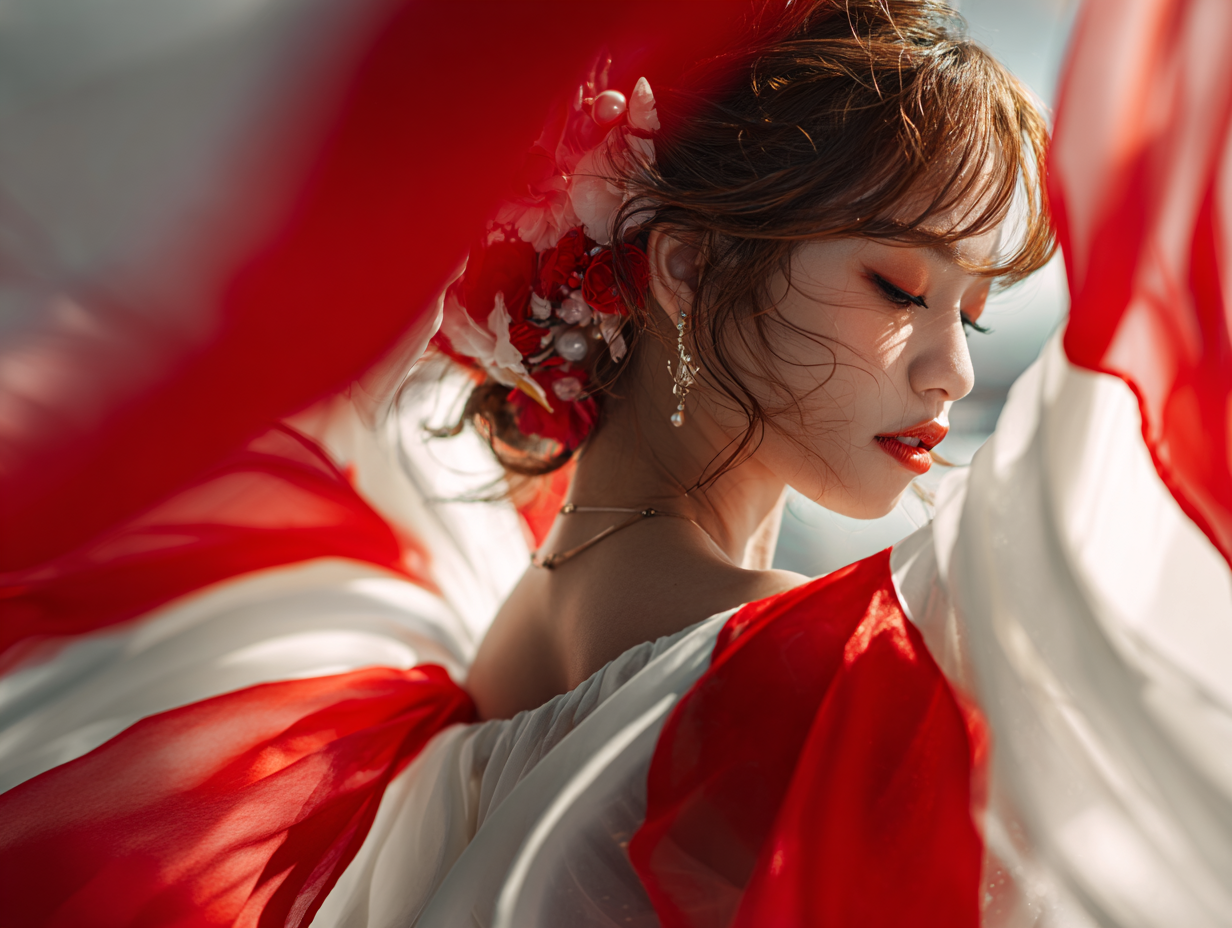
Japan — Shiromuku Dressing
In Japan, the bride wears pure white not to symbolize innocence, but rebirth, stepping into marriage as someone open to transformation and growth.
The dressing itself is slow and ceremonial, allowing her to feel every movement, every fold of silk, every breath.
As she looks at herself, she does not see perfection, but readiness.
For the couple, this ritual reflects the quiet strength of choosing a shared future with intention.
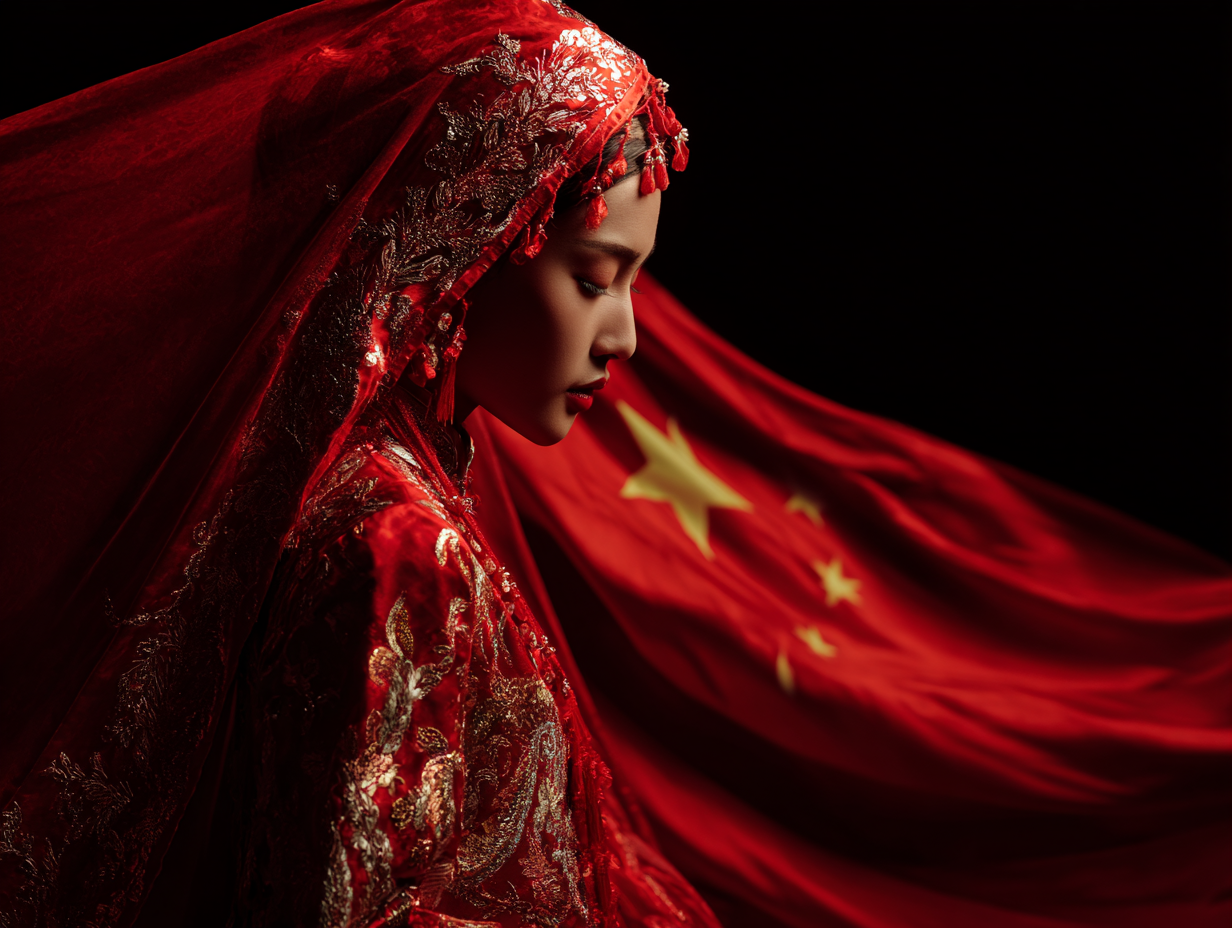
China — Red Wedding Attire
In China, red garments surround the bride with symbolism of prosperity, protection, and joy, wrapping her not only in fabric, but in hope.
Family members help dress her, turning the moment into a shared act of care and reassurance.
The bride feels protected rather than displayed, supported rather than judged.
For the couple, red becomes a promise that love should be guarded and celebrated equally.
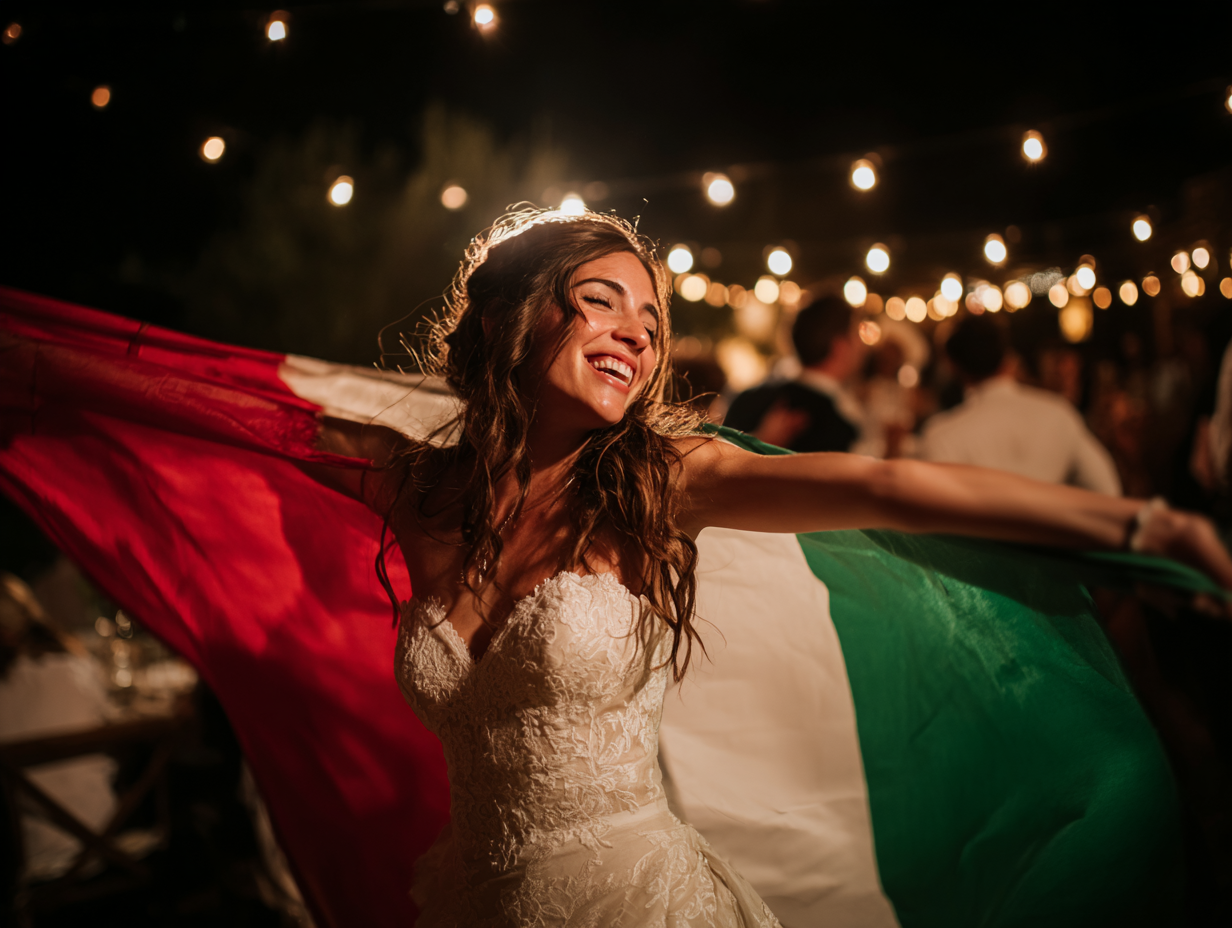
Italy — Family Preparation
In Italy, preparation unfolds slowly, surrounded by espresso cups, laughter, and the comforting chaos of family.
There is no rush, no performance—only presence.
As the bride is dressed, she feels held by generations of women who once stood where she stands now.
The couple understands that marriage is not about perfection, but about continuity and warmth.
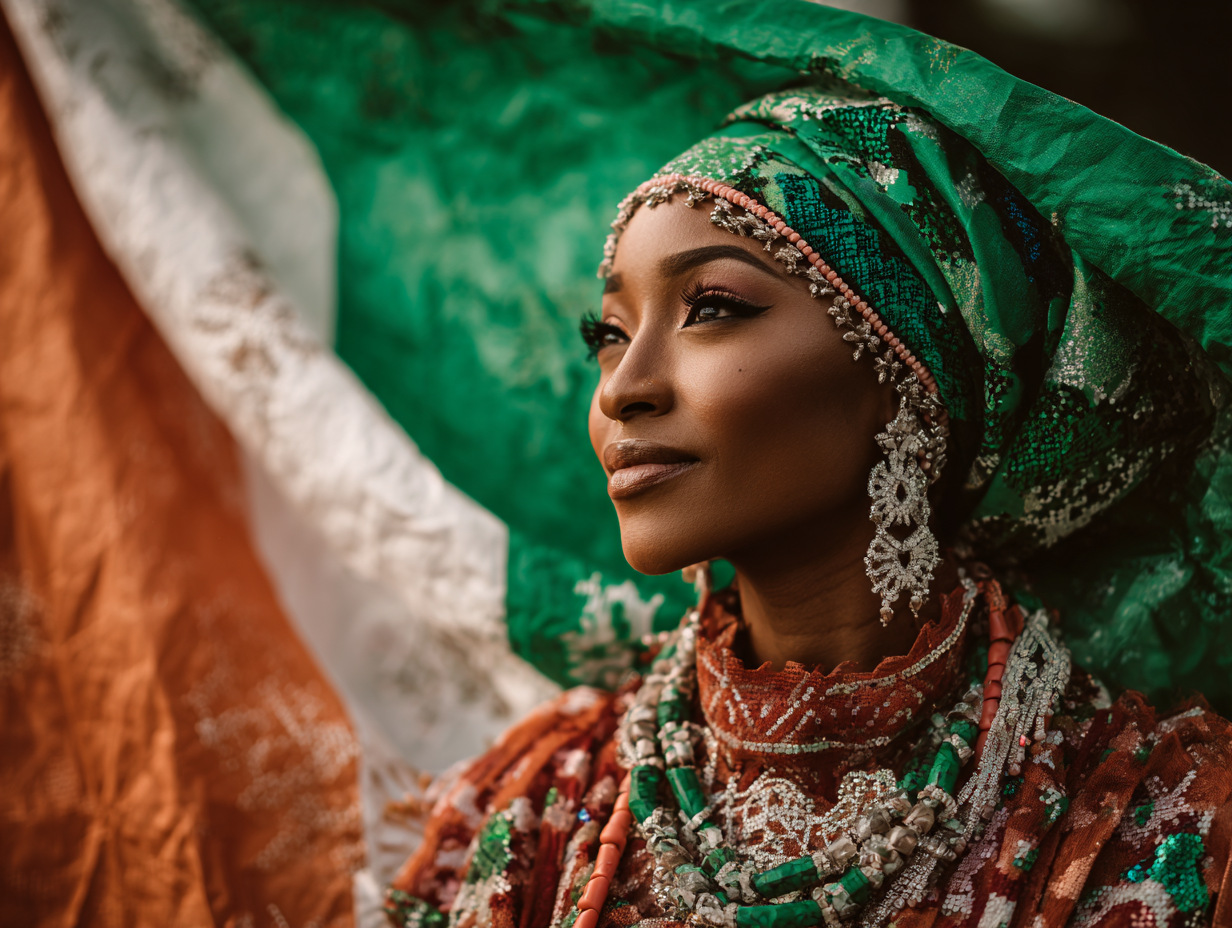
Nigeria — Beads & Fabric
In Nigeria, coral beads and layered fabrics are not accessories, but declarations of lineage and pride.
Each piece tells a story about where the bride comes from and what she carries forward.
As she is adorned, she feels powerful rather than delicate, rooted rather than ornamental.
The couple understands that marriage honors identity rather than erasing it.
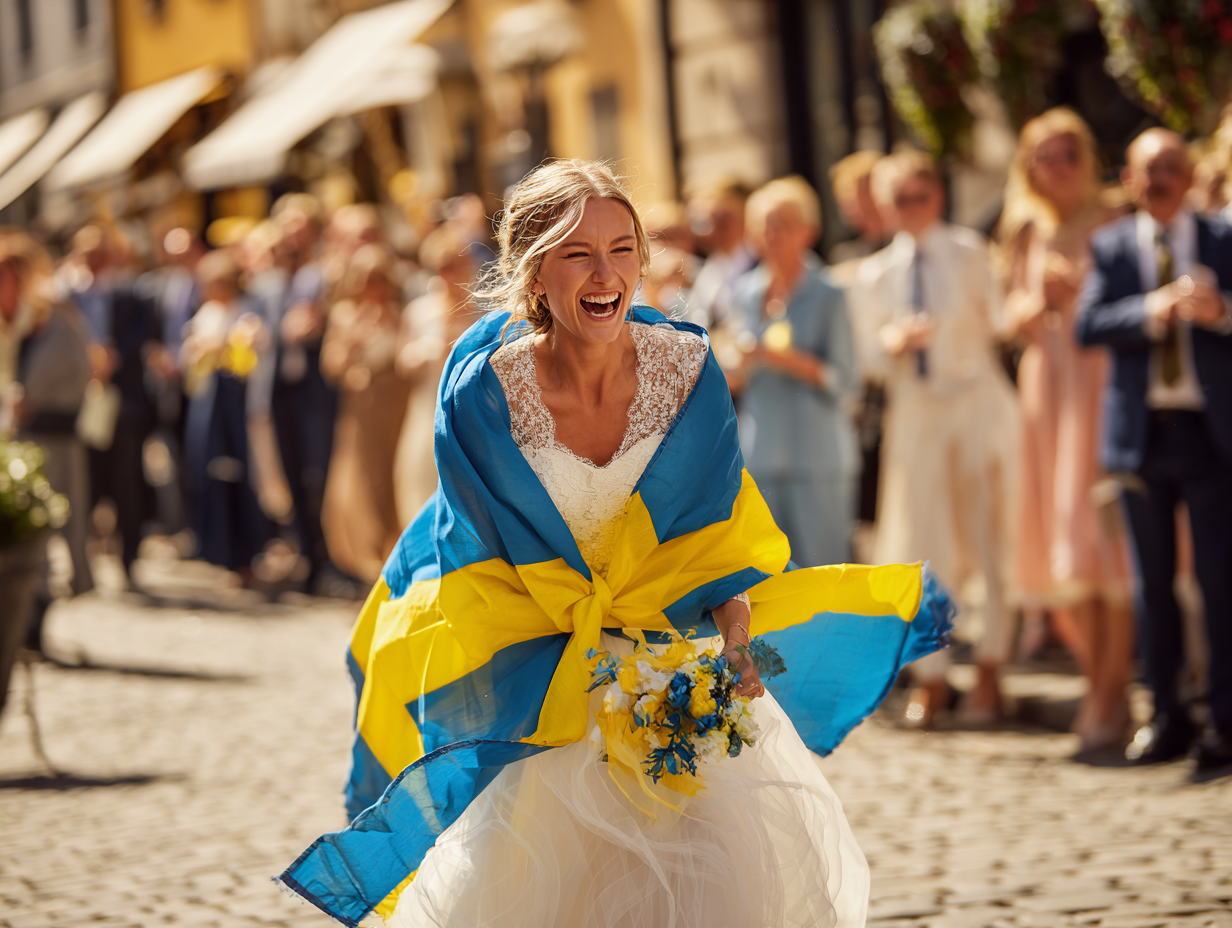
Sweden — Quiet Preparation & Ancestral Continuity
In Sweden, bride preparation is often understated and deeply intentional, centered on calm presence rather than performance, allowing space for reflection before the ceremony begins.
The bride is typically surrounded by a small circle of loved ones, where conversation flows gently and silence is welcomed, reinforcing the idea that love does not need to be loud to be powerful.
Attention is given to natural beauty, simple details, and heirloom elements that quietly connect the bride to those who came before her.
For the couple, this ritual embodies a Scandinavian belief that marriage is strongest when it begins in balance, mindfulness, and a profound respect for continuity rather than excess.
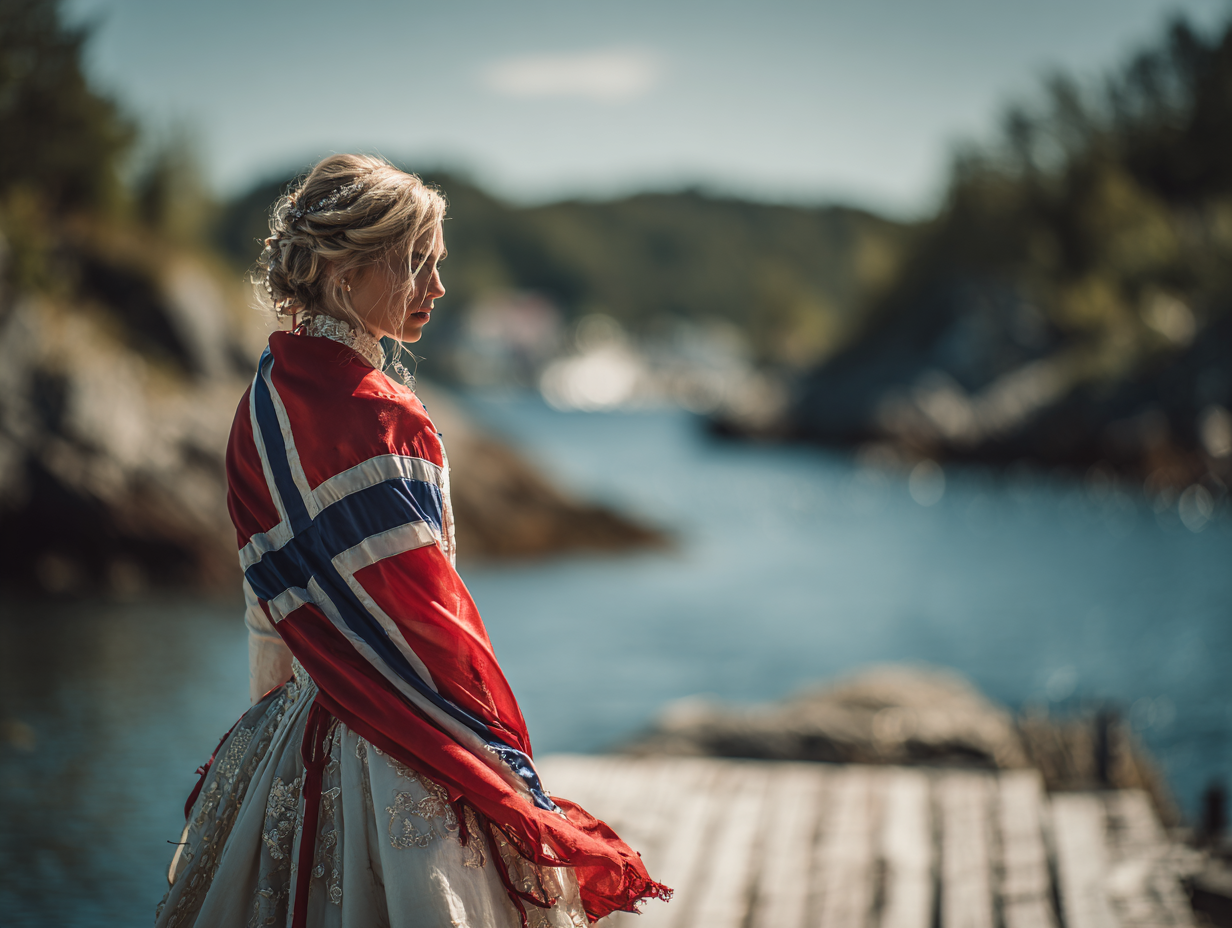
Norway — Silver & Symbolic Adornment
In Norway, bridal preparation often includes traditional silver jewelry, believed to protect the bride and ward off negative spirits as she steps into marriage.
As each piece is fastened, the bride feels the quiet weight of symbolism resting against her skin—beauty serving purpose, not display.
The reflective surfaces of the silver catch the light softly, mirroring the bride’s own transition into a role shaped by responsibility and resilience.
For the couple, this ritual speaks to the idea that marriage is not only about love, but about safeguarding one another through every unseen challenge.
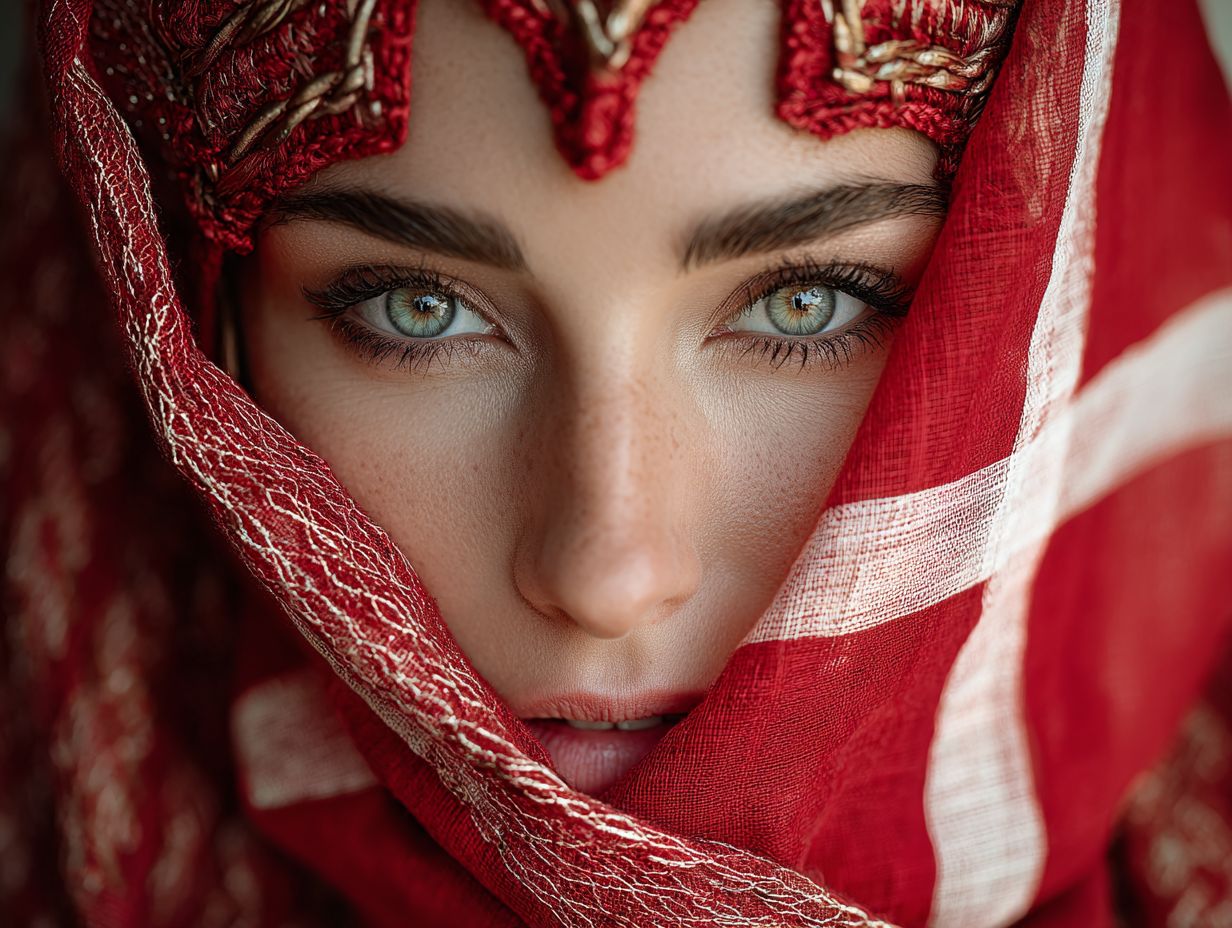
Denmark — Simplicity & Communal Presence
In Denmark, bride preparation is marked by intentional simplicity, where excess is stripped away in favor of calm, closeness, and authenticity.
Family and close friends gather not to orchestrate perfection, but to offer steady presence—quiet conversation, gentle laughter, and reassurance.
The bride is not transformed into something new, but affirmed exactly as she is, supported rather than staged.
For couples, this ritual reflects a deeply Scandinavian belief that love flourishes best in honesty, balance, and shared stillness.
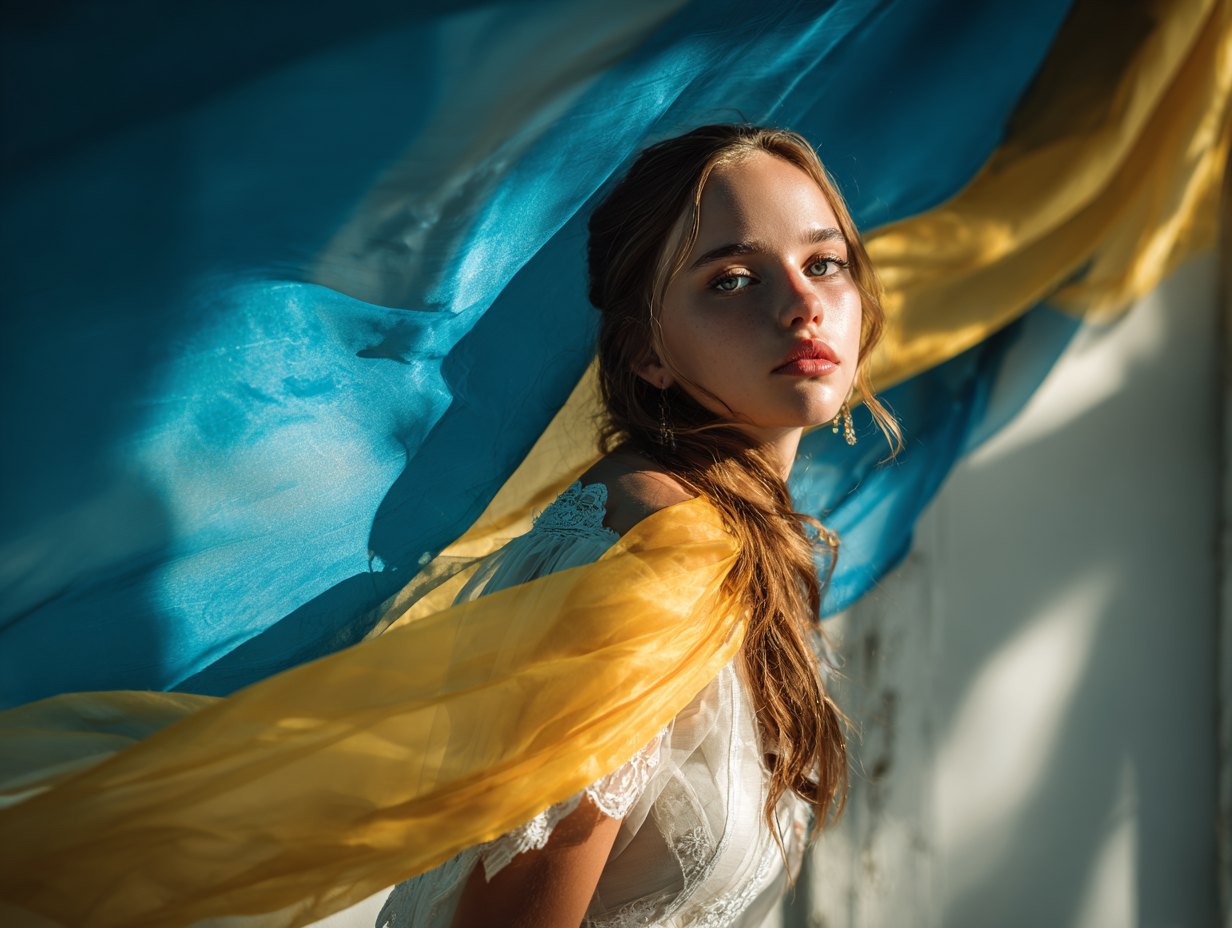
Ukraine — Floral Crowns
In Ukraine, floral wreaths crown the bride with symbolism of nature, fertility, and continuity.
The flowers are living, temporary, and beautiful—much like the moment itself.
When the crown is later removed, it marks a gentle transition rather than an ending.
The couple feels how love evolves without abandoning its roots..
Getting ready
Pre-Ceremony Rituals
The Sacred Pause Before “I Do”.
Before vows are spoken and before the ceremony officially begins, there exists a quiet threshold—a space where anticipation, emotion, and intention gently converge. Across cultures, pre-ceremony rituals are designed to slow the moment, inviting couples to pause, breathe, and consciously step from one chapter of life into another. These rituals acknowledge that crossing into marriage is not simply a physical act, but an emotional and spiritual transition, deserving of care and presence. For couples, the pre-ceremony moments offer grounding amid excitement, reminding them that love does not rush forward blindly, but enters deliberately, with awareness, reverence, and an open heart.
If you are looking for a team of experienced photographers - LightStrikes is based in the United States and available worldwide, we accept a limited number of weddings each year and would be honored to explore whether our approach aligns with your vision—schedule a complimentary consultation and let’s connect: Complimentary Consultation.
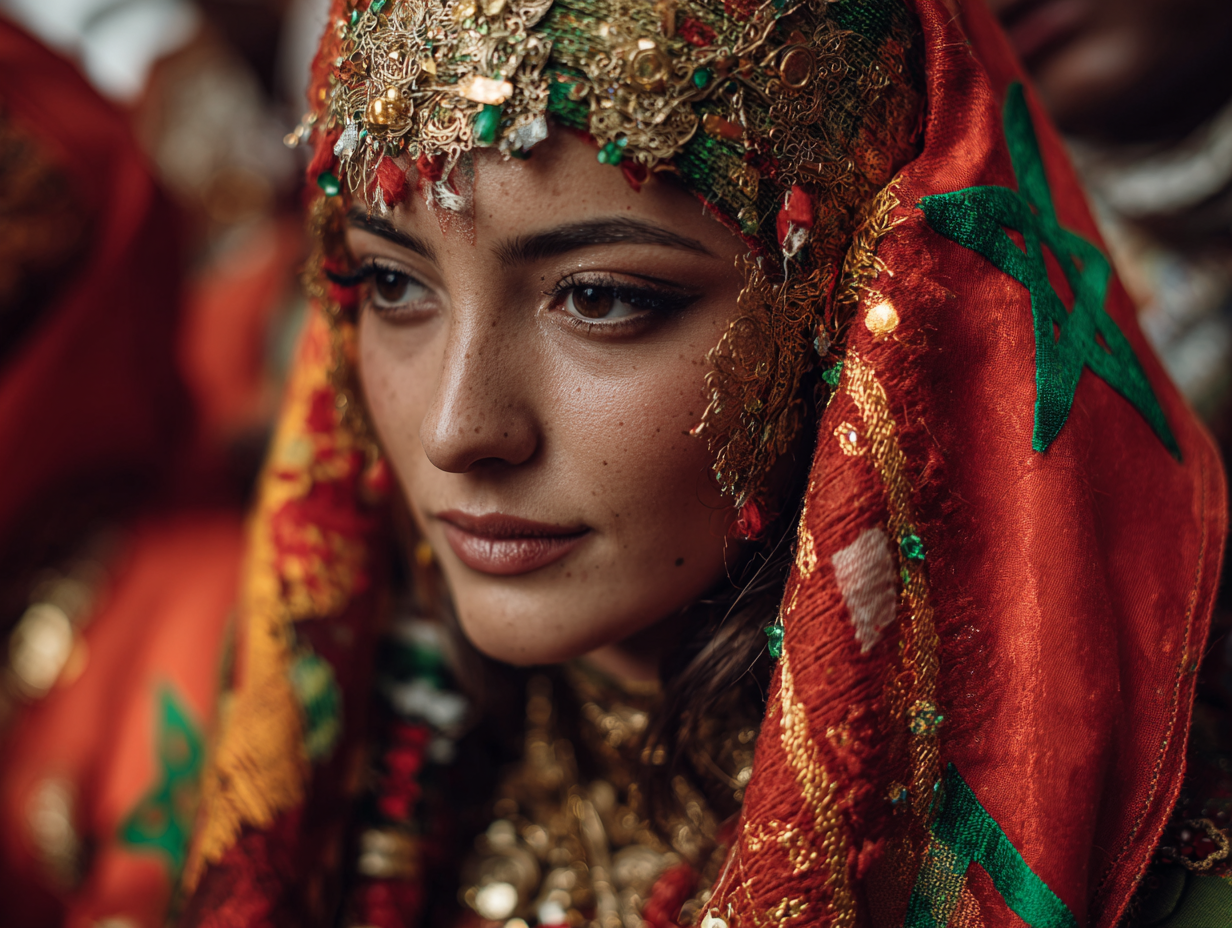
Morocco — Incense Cleansing
In Morocco, incense fills the air slowly, cleansing both space and spirit before vows are spoken.
The couple breathes deeply, letting go of fear, expectation, and past weight.
The smoke becomes a quiet promise that what enters the ceremony is intentional and pure.
This ritual reminds them that beginnings deserve care.
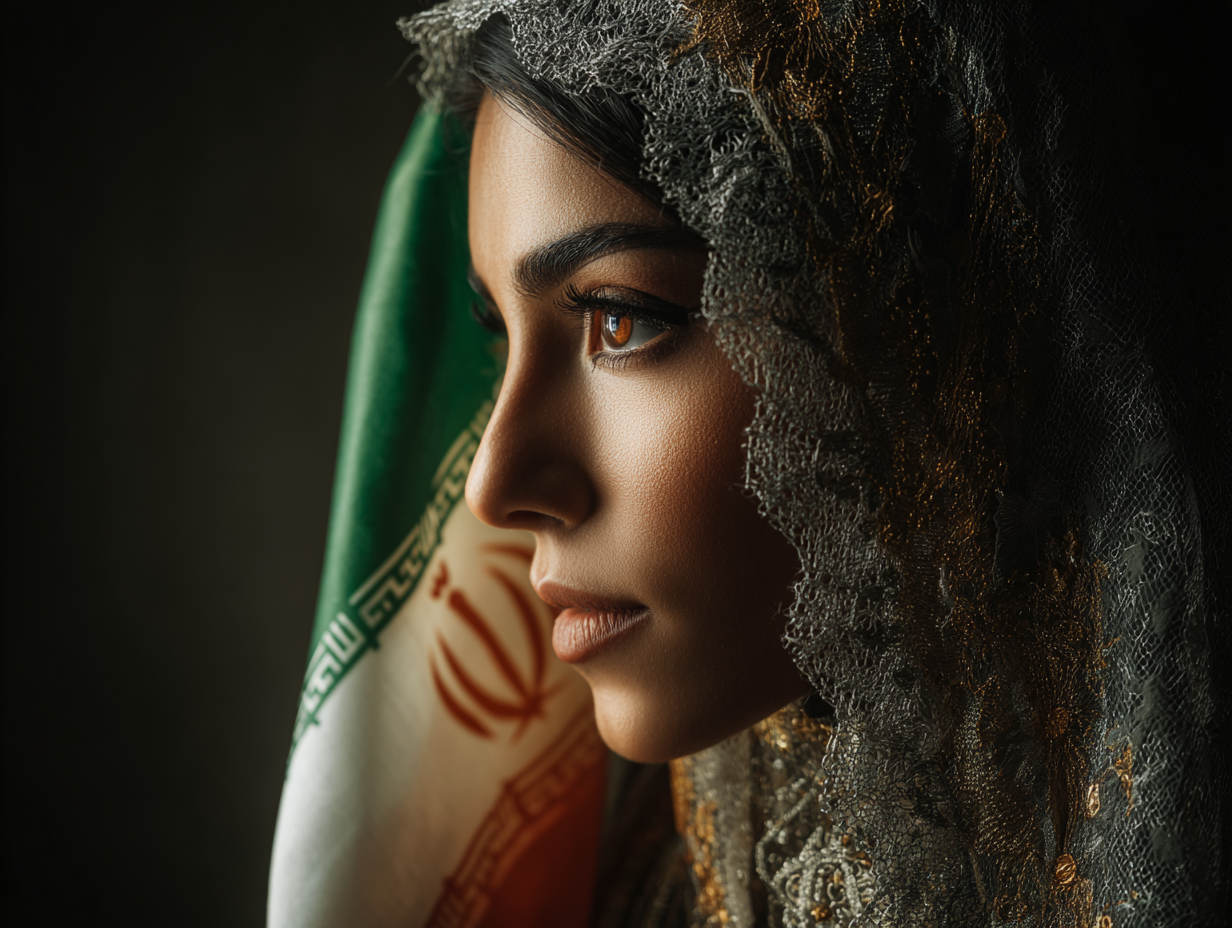
Iran — Sofreh Aghd
In Iran, the Sofreh Aghd table is laid with symbols of sweetness, clarity, abundance, and reflection.
Before making any promises, the couple sits surrounded by reminders of what sustains love.
They are not rushed to speak, but invited to observe, reflect, and breathe.
Marriage begins here in mindfulness rather than urgency.
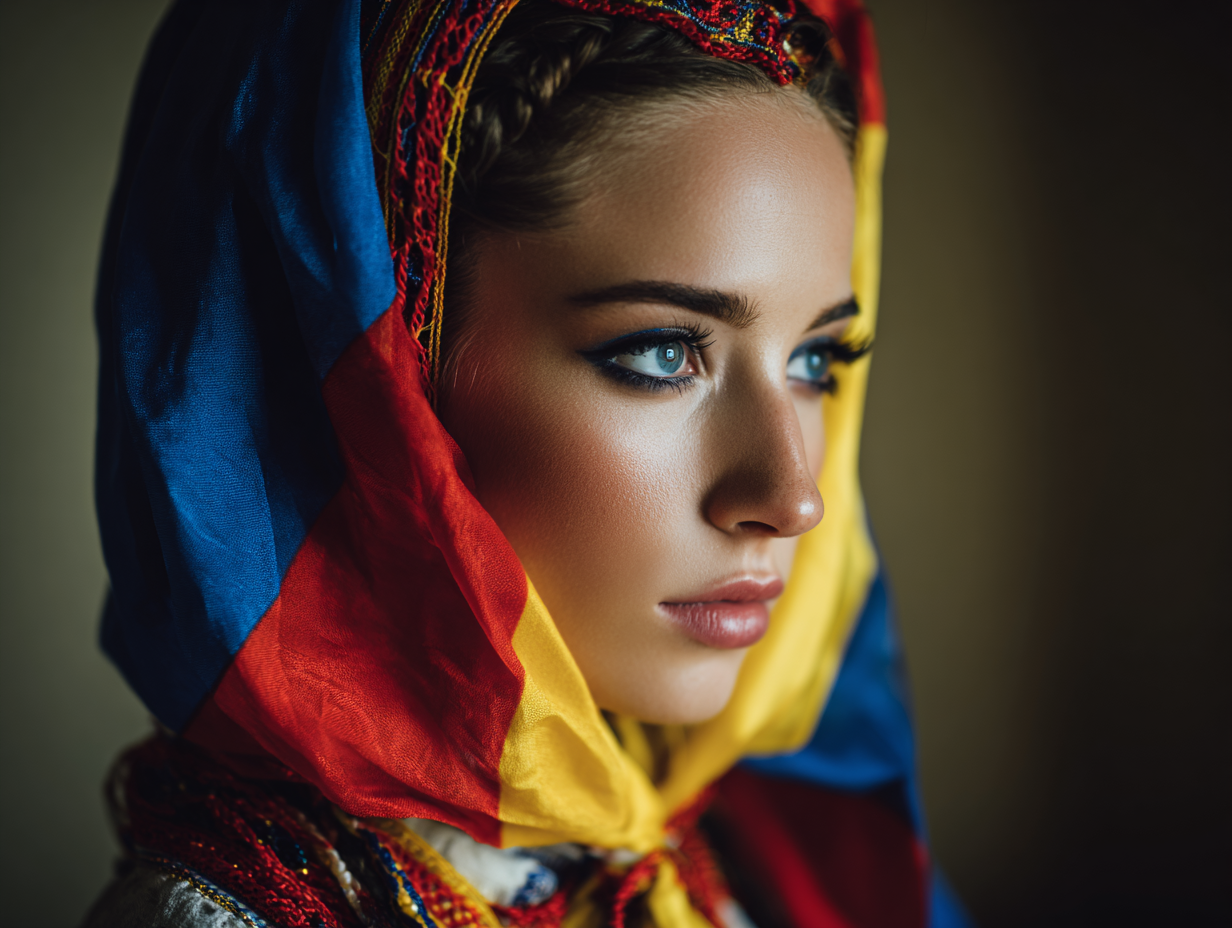
Romania — Door Rituals
In Romania, playful rituals delay the bride’s entrance, transforming nerves into laughter.
The groom must prove patience, humor, and devotion before proceeding.
This lighthearted resistance softens tension and deepens connection.
The couple learns that joy and commitment can coexist.
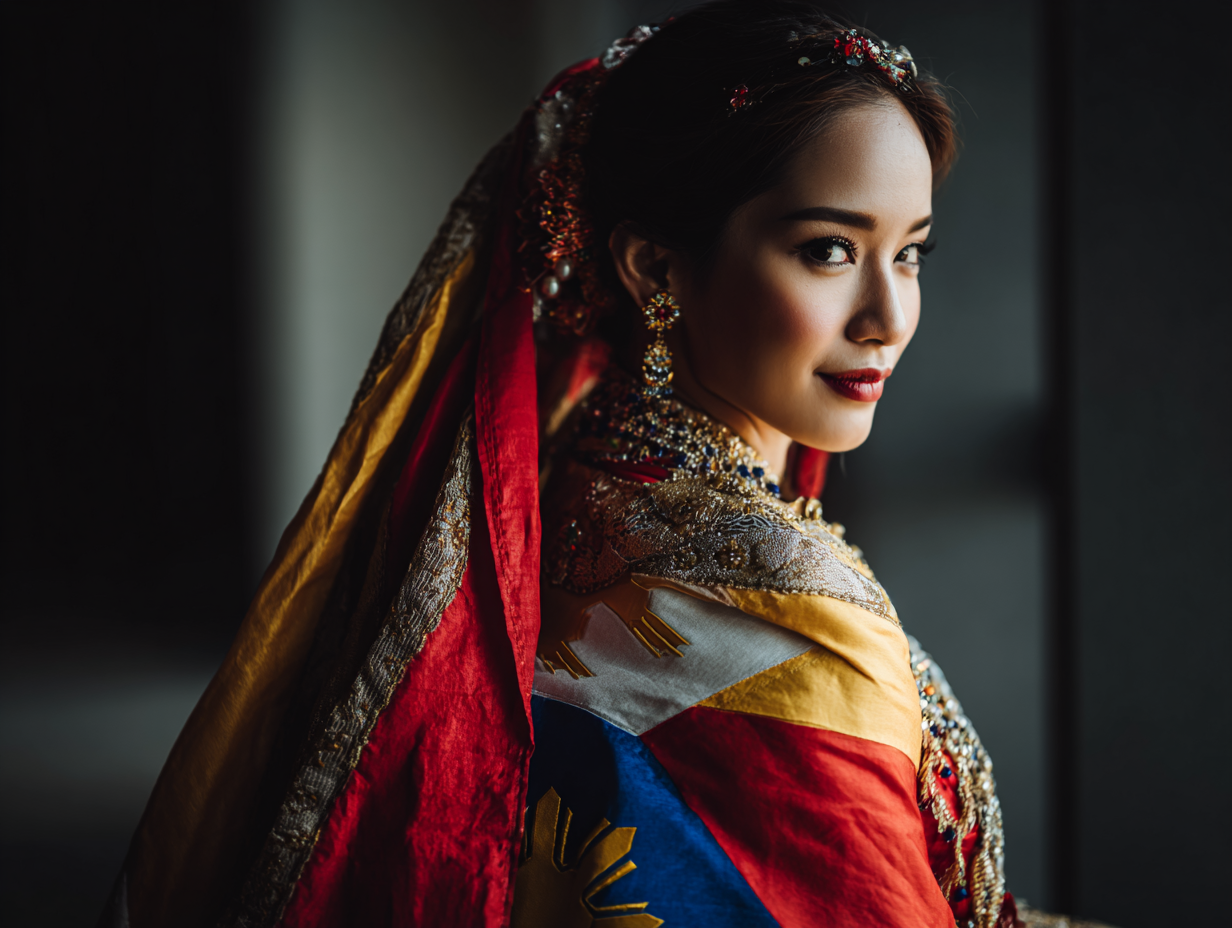
Philippines — Veil & Cord Preparation
In the Philippines, cords and veils are prepared quietly before the ceremony.
They wait patiently, knowing their moment will come. This preparation teaches the couple that unity does not happen suddenly, but is planned with care.
Love is prepared before it is displayed.
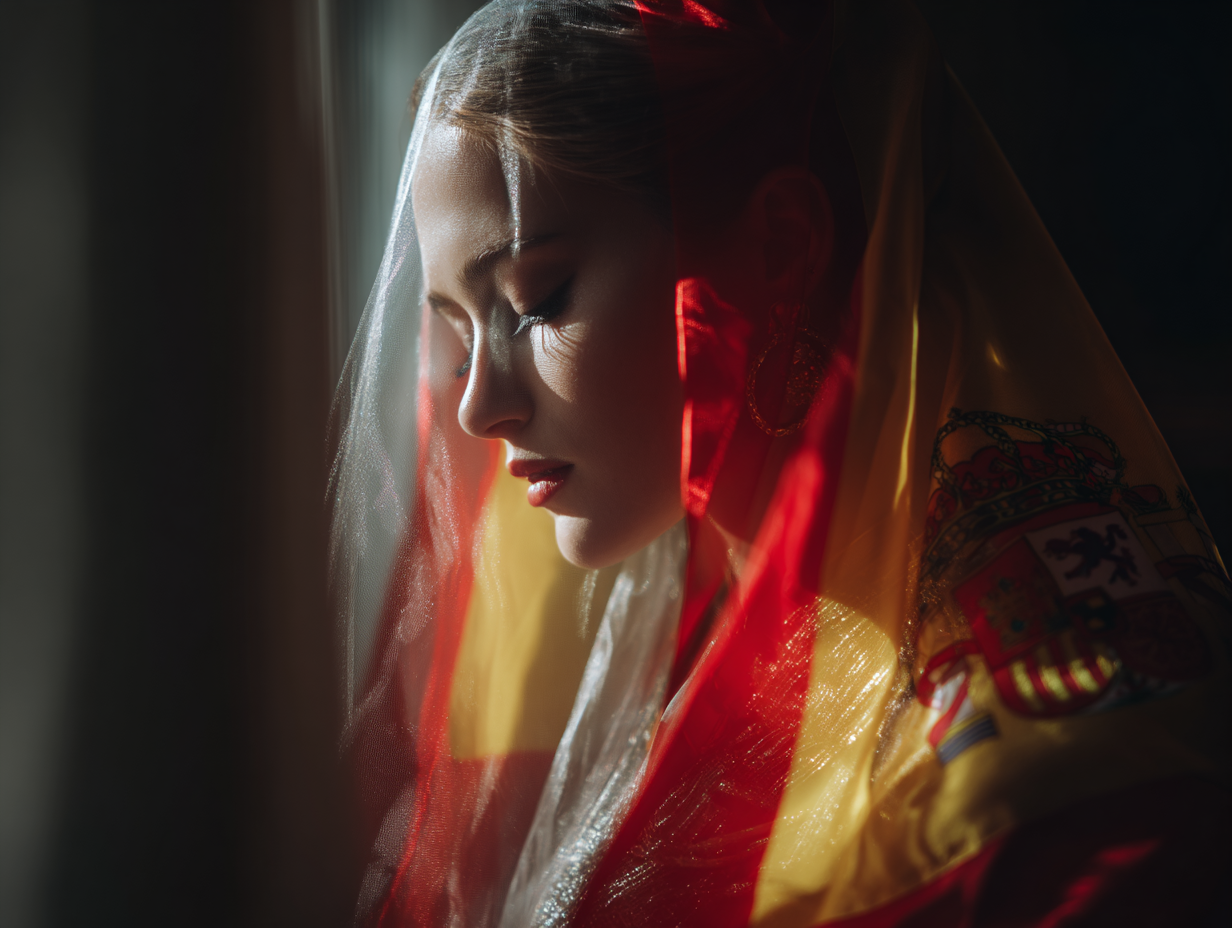
Spain — Quiet Blessing & Stillness Before the Aisle
In Spain, the moments before the ceremony are often marked by intentional stillness, where the couple spends time separately in quiet reflection, allowing emotion to settle before the public declaration of love.
Family members may offer soft blessings, gentle embraces, or whispered words of encouragement, grounding the couple in familiarity and trust.
This pause creates space for gratitude—for family, for the path that led them here, and for the partner they are about to meet at the altar.
For the couple, this ritual reinforces the idea that love deserves a breath of calm before it is celebrated aloud.
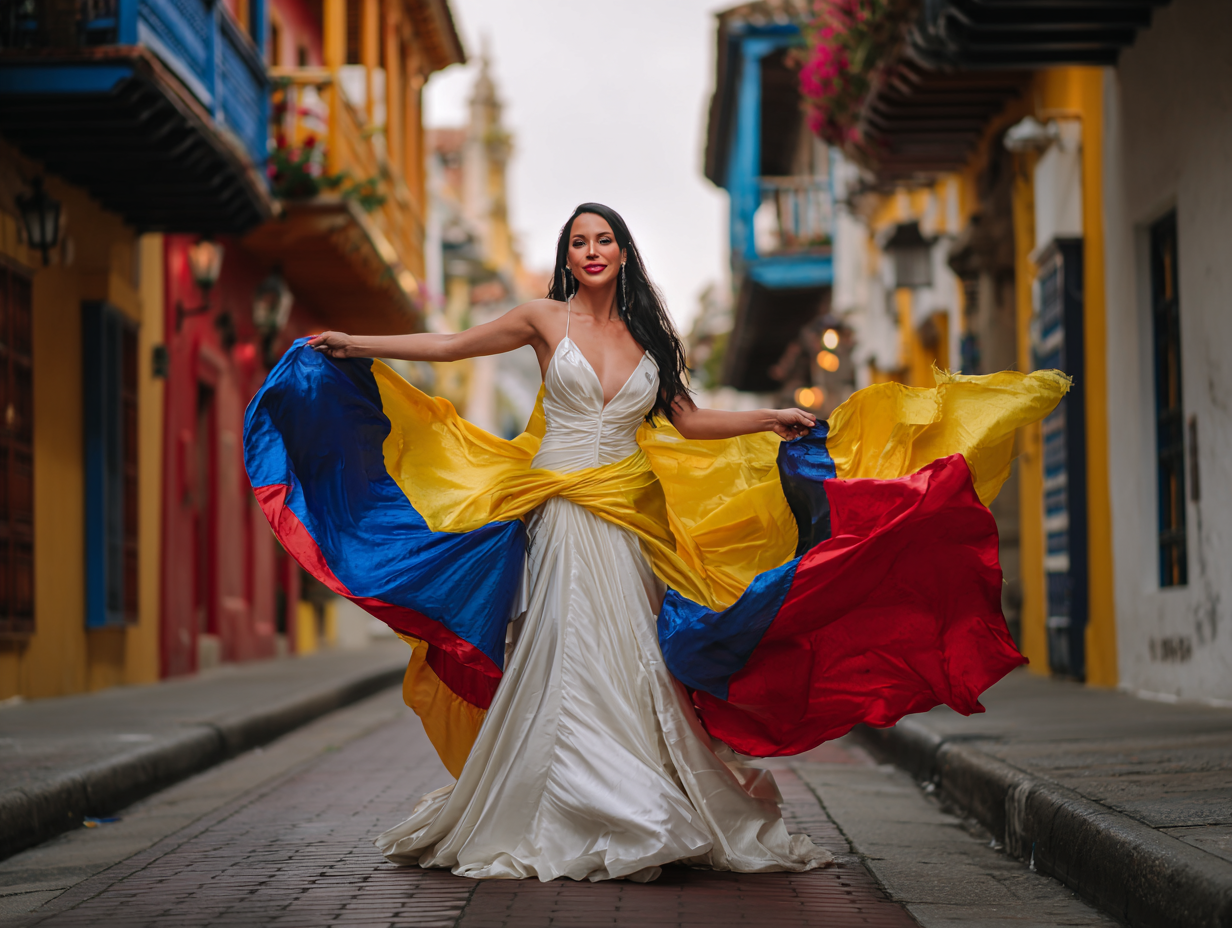
Colombia — Sacred Waiting & Emotional Readiness
In Colombia, pre-ceremony moments are often infused with quiet prayer and emotional preparation, where the bride and groom take time apart to center themselves before uniting publicly.
Loved ones gather close, offering blessings not through formal ritual, but through presence—hands held, tears shared, hearts steadying together.
This sacred waiting allows emotions to rise fully, so that when the ceremony begins, love is felt deeply rather than rushed past.
For couples, this ritual affirms that marriage is not entered casually, but with intention, reflection, and an openness to vulnerability.
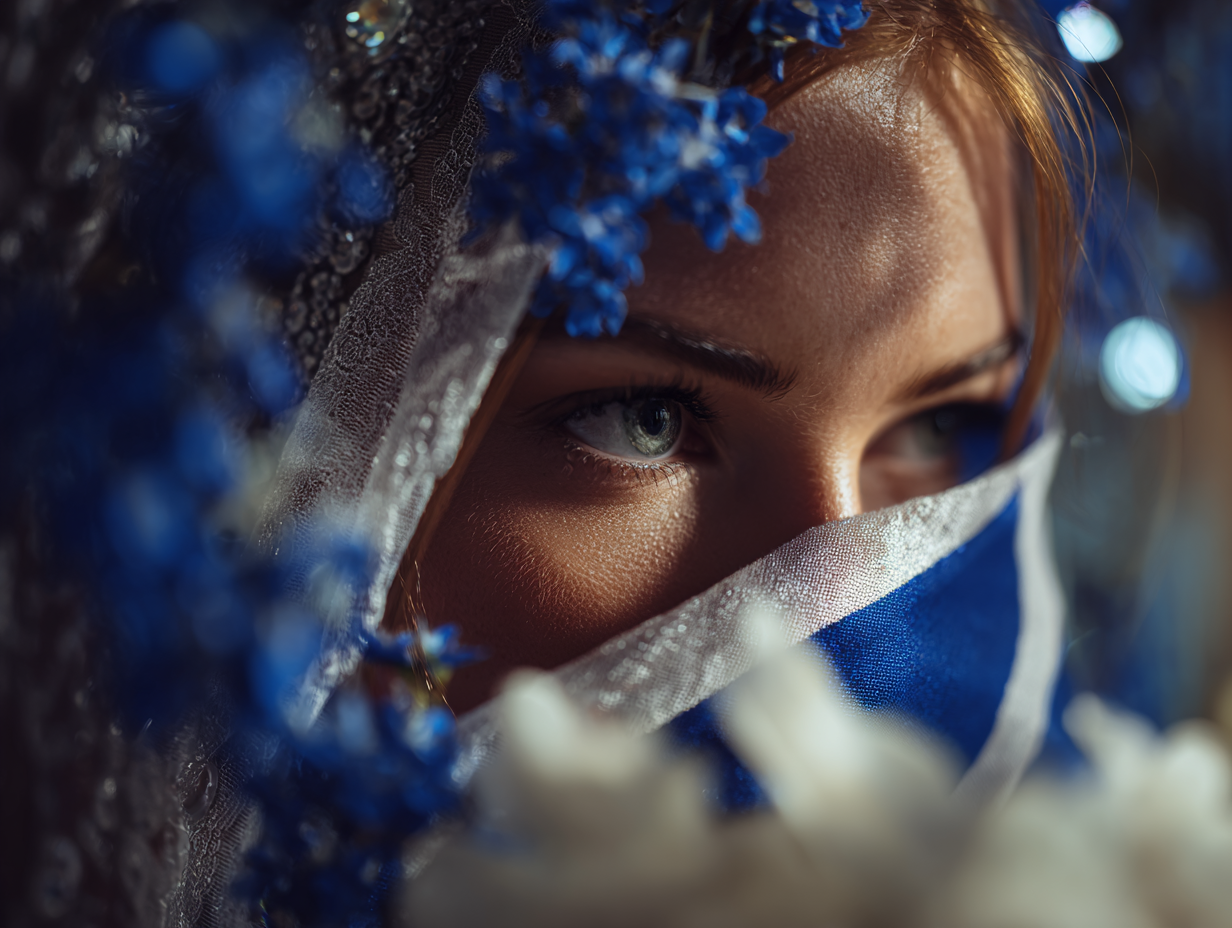
Scotland — Sound & Calling
In Scotland, bagpipes signal the ceremony long before it begins.
Sound calls ancestors, community, and memory into the moment.
The couple feels held by something older than themselves.
Marriage begins not silently, but with resonance.
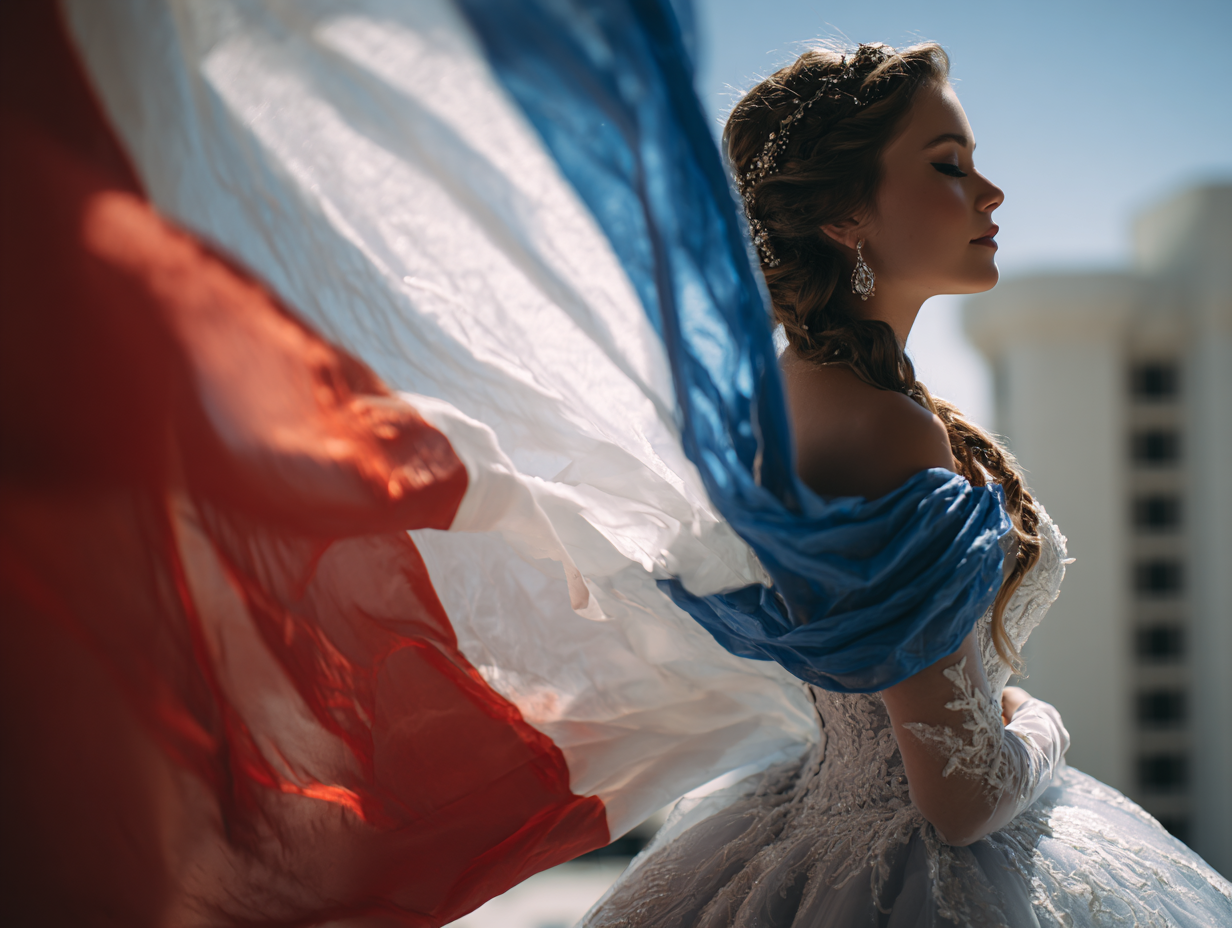
France — The Intimate Civil Prelude
In France, the pre-wedding experience often begins with an understated yet deeply meaningful civil gathering, where formality is softened by intimacy and intention.
Before celebration takes over, couples focus on presence—sharing a quiet meal, walking familiar streets, or spending intentional time with close family, grounding themselves in what feels real and personal.
There is an emphasis on elegance without excess, where anticipation is carried inward rather than displayed outward.
For the couple, this ritual reflects a distinctly French belief that love is most powerful when it is thoughtful, deliberate, and rooted in authenticity rather than spectacle.
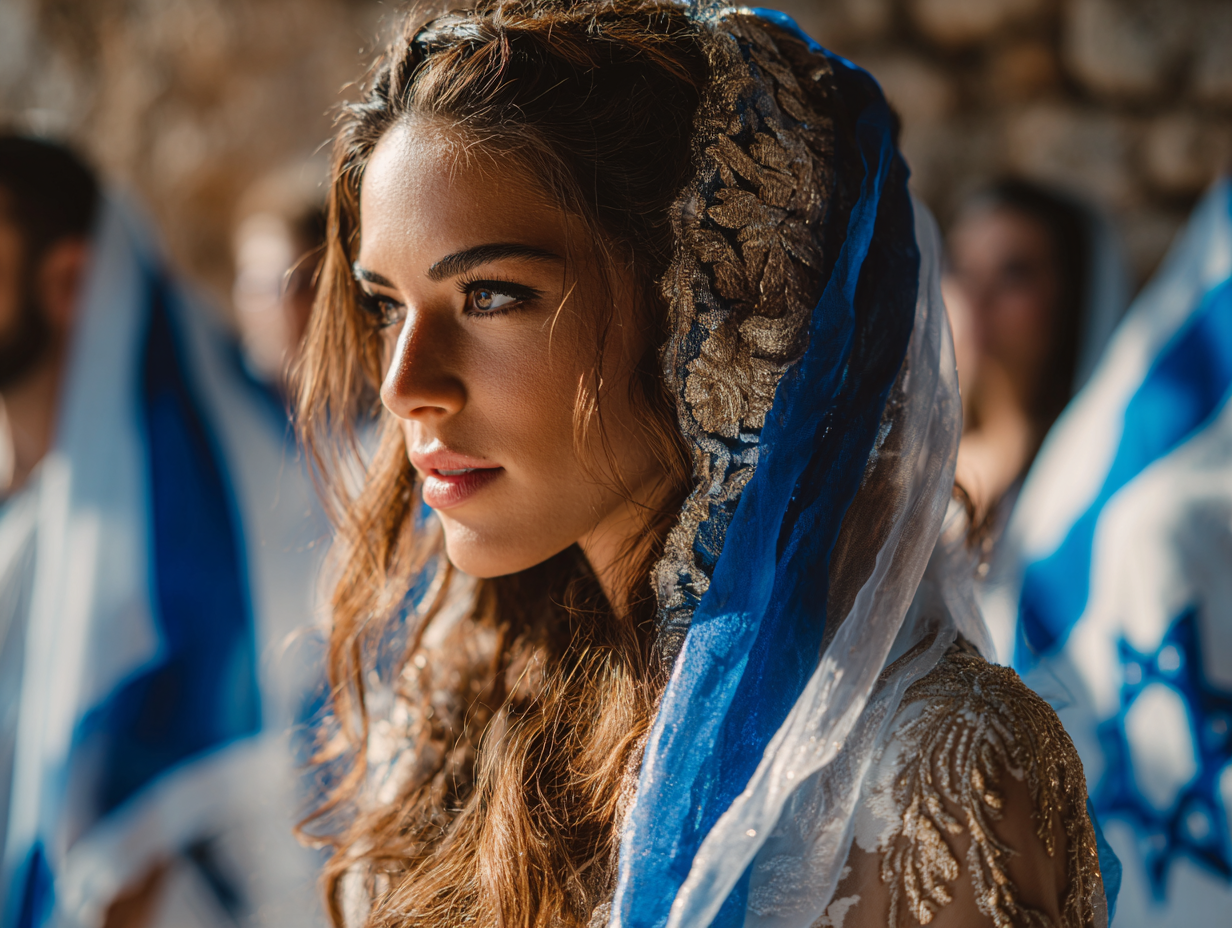
Israel
In Israel, the breaking of glass brings joy and reflection into a single breath, reminding the couple that happiness does not erase fragility, but exists alongside it.
The sharp sound grounds the moment in reality, acknowledging that love must endure both beauty and hardship.
Cheers erupt immediately after, reinforcing resilience rather than fear.
The couple steps forward knowing love is strong precisely because it is honest.
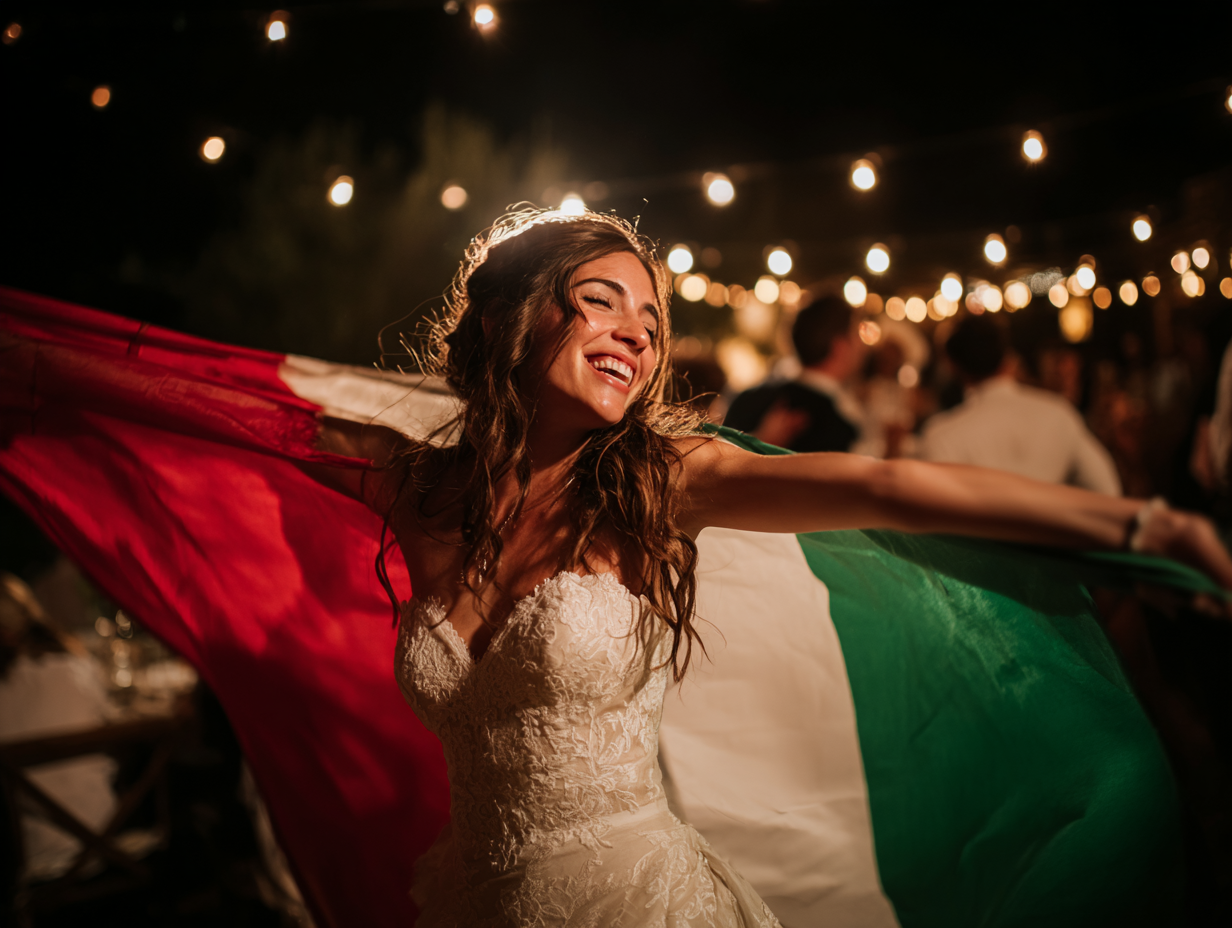
Italy
In Italy, stone churches surround the couple with echoes of countless vows spoken before theirs, making the moment feel vast and deeply rooted.
As sunlight filters through stained glass, promises feel heavier, more deliberate.
The ceremony unfolds slowly, allowing each word to settle fully.
Marriage here feels permanent not because it must be, but because it is chosen carefully.s.
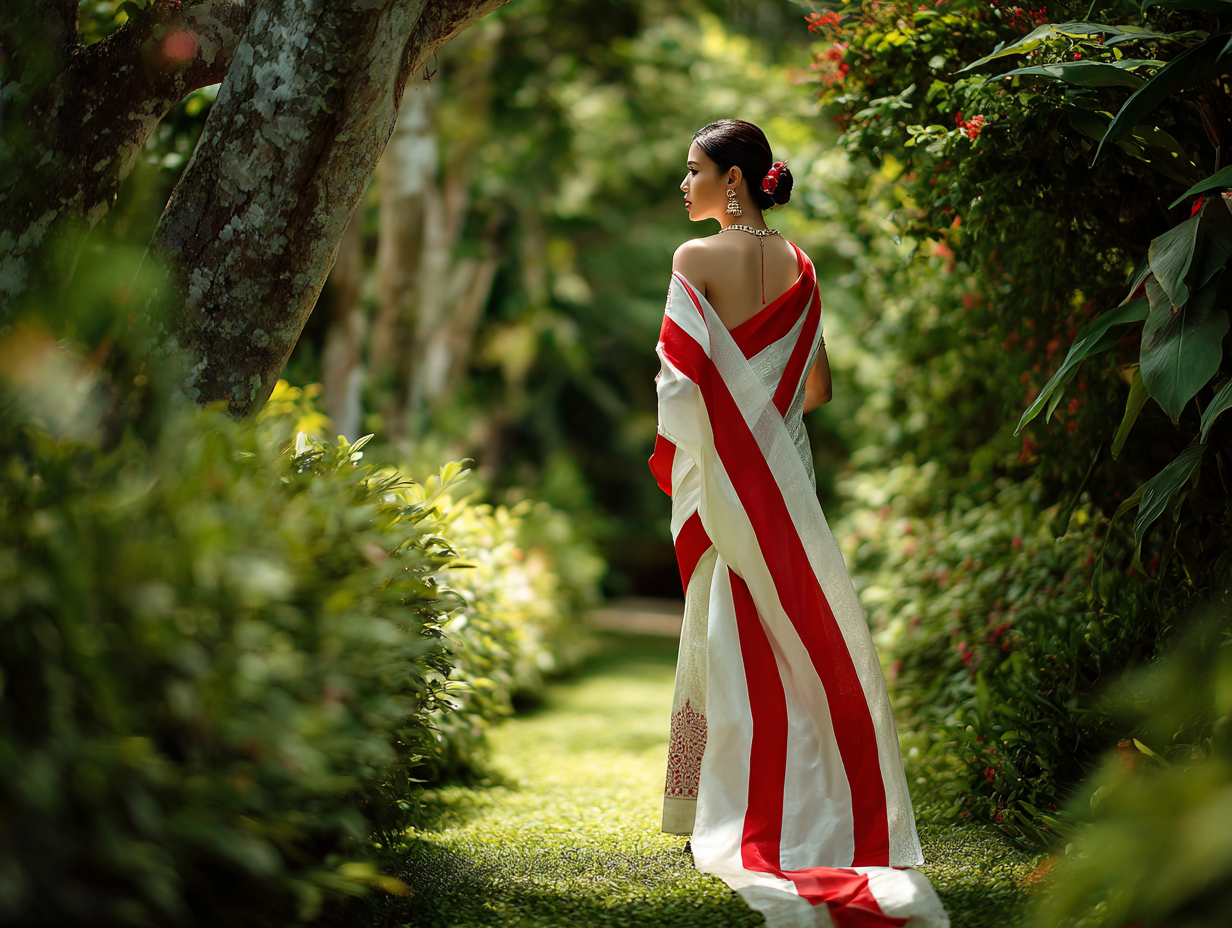
Thailand
In Thailand, elders pour water gently over the couple’s joined hands, allowing blessings to move physically from one generation to the next, as if wisdom itself has weight and flow.
The water cools nerves and softens emotion, creating a moment of stillness amid celebration.
As droplets fall, the couple feels supported rather than judged, guided rather than instructed.
Marriage here feels like being carried forward by love rather than pushed.
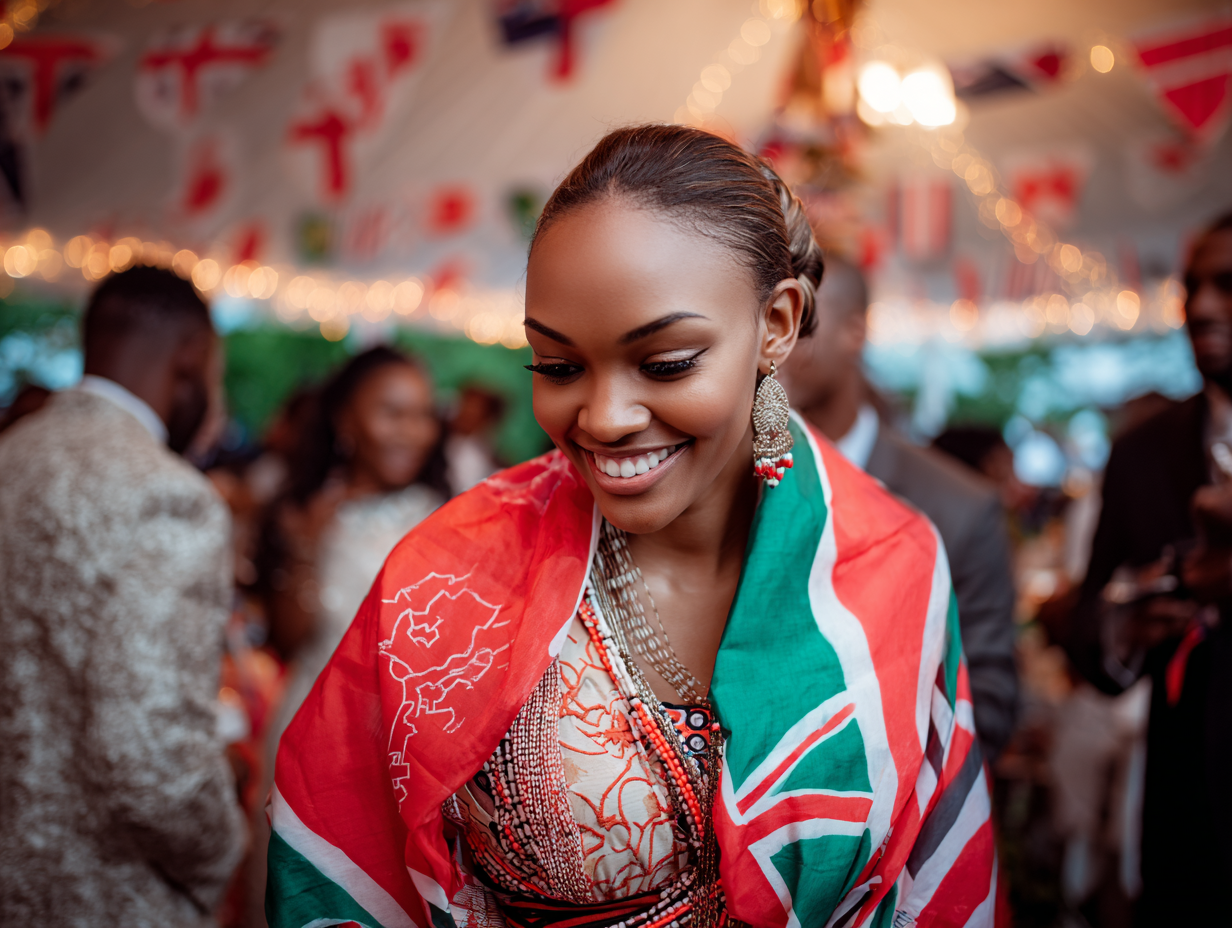
Kenya
In Kenya, voices rise together in song, transforming the ceremony into a communal affirmation of love.
The couple feels held not only by each other, but by many hearts at once.
Marriage becomes a shared responsibility rather than a private contract.
Love here is strengthened through collective joy.