weddings around the world
Symbolic Wedding Rituals Around the World — Where Meaning Lives Beyond the Moment
Across cultures, weddings are built from far more than schedules, attire, and celebration. At their heart are symbolic rituals—quiet, intentional acts that transform love into meaning and mark marriage as a passage rather than an event. As a photographer, , these are the moments I hold with the greatest reverence, because symbolism carries what words cannot: ancestry, belief, protection, balance, and hope for the life ahead. Whether expressed through bread and honey, fire and water, crowns and cords, or silence and movement, symbolic wedding rituals connect couples not only to each other, but to something timeless and deeply human. This guide brings together symbolic traditions from around the world to inspire couples seeking a wedding experience rooted in intention, spirituality, and lasting meaning. In the next series of articles, we will continue our journey through wedding traditions around the world—diving into pre-wedding ceremonies, bridal preparation rituals, ceremony symbolism, meaningful vows, celebratory dancing, and the powerful moments of grand entrances and exits—revealing the deeper meaning behind even the simplest gestures, and helping couples preserve the quiet, sacred promises they make to one another, often known only to them.
By Raya K - LightStrikes.com
Where culture and story meet
Bulgaria — Bread, Honey, and Balance
In Bulgaria, symbolic rituals often center on bread and honey, offered to the couple as they begin married life. The bread represents abundance and sustenance, while the honey symbolizes sweetness and harmony. As the couple shares their first bite together, often playfully competing for the larger piece, the ritual blends joy with meaning. It reminds couples that marriage is built on balance—strength softened by kindness, responsibility enriched by love. Check if our team is available: Complimentary Consultation
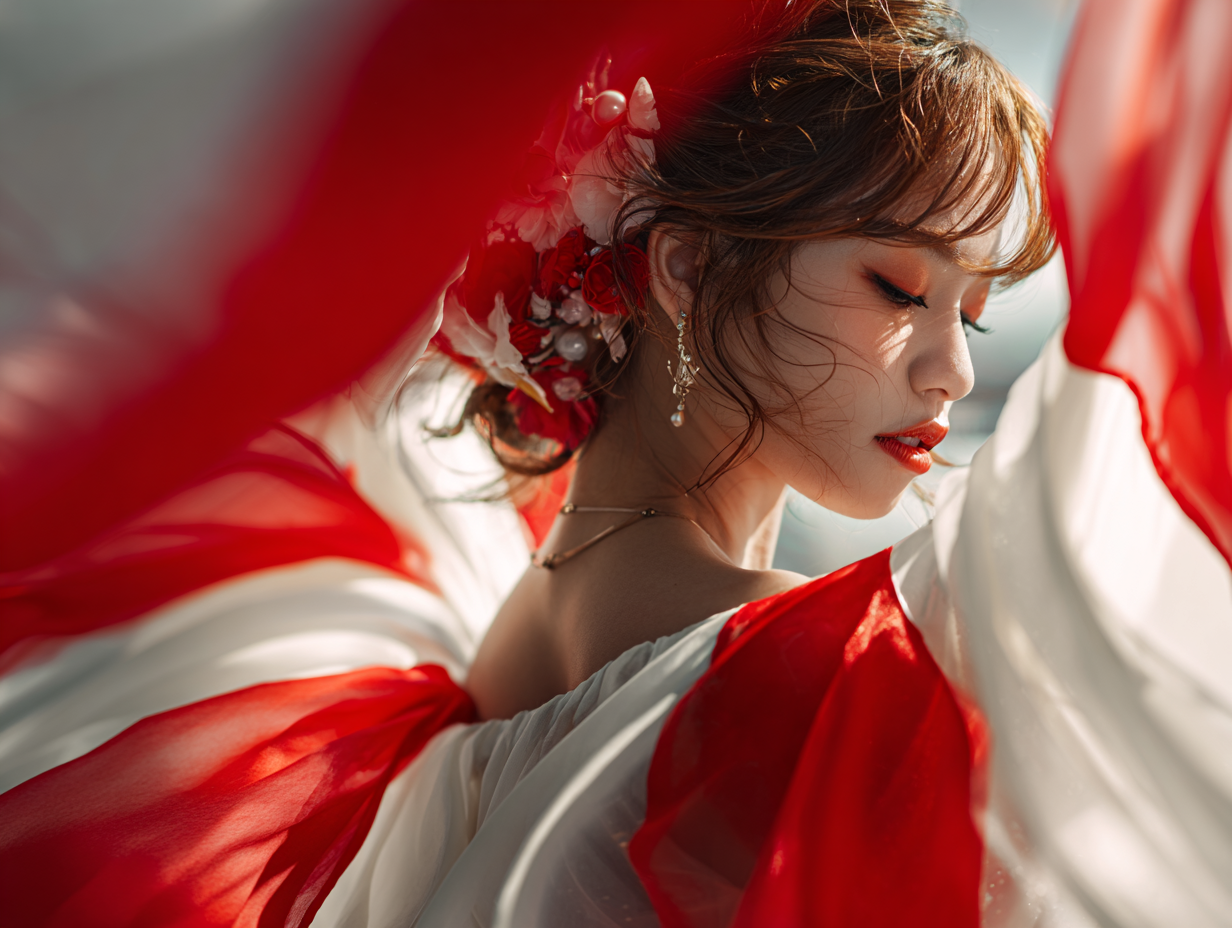
Honoring love through tradition
Japan — Sacred Cups and Silent Unity
Japanese wedding symbolism often unfolds through the san-san-kudo ritual, where the couple shares sake in three measured sips. The act is quiet, deliberate, and deeply intentional, emphasizing harmony and balance over display. Each sip binds families as well as partners, weaving unity through repetition and restraint. This ritual reflects a belief that marriage is strengthened through presence, patience, and shared intention rather than grand expression.
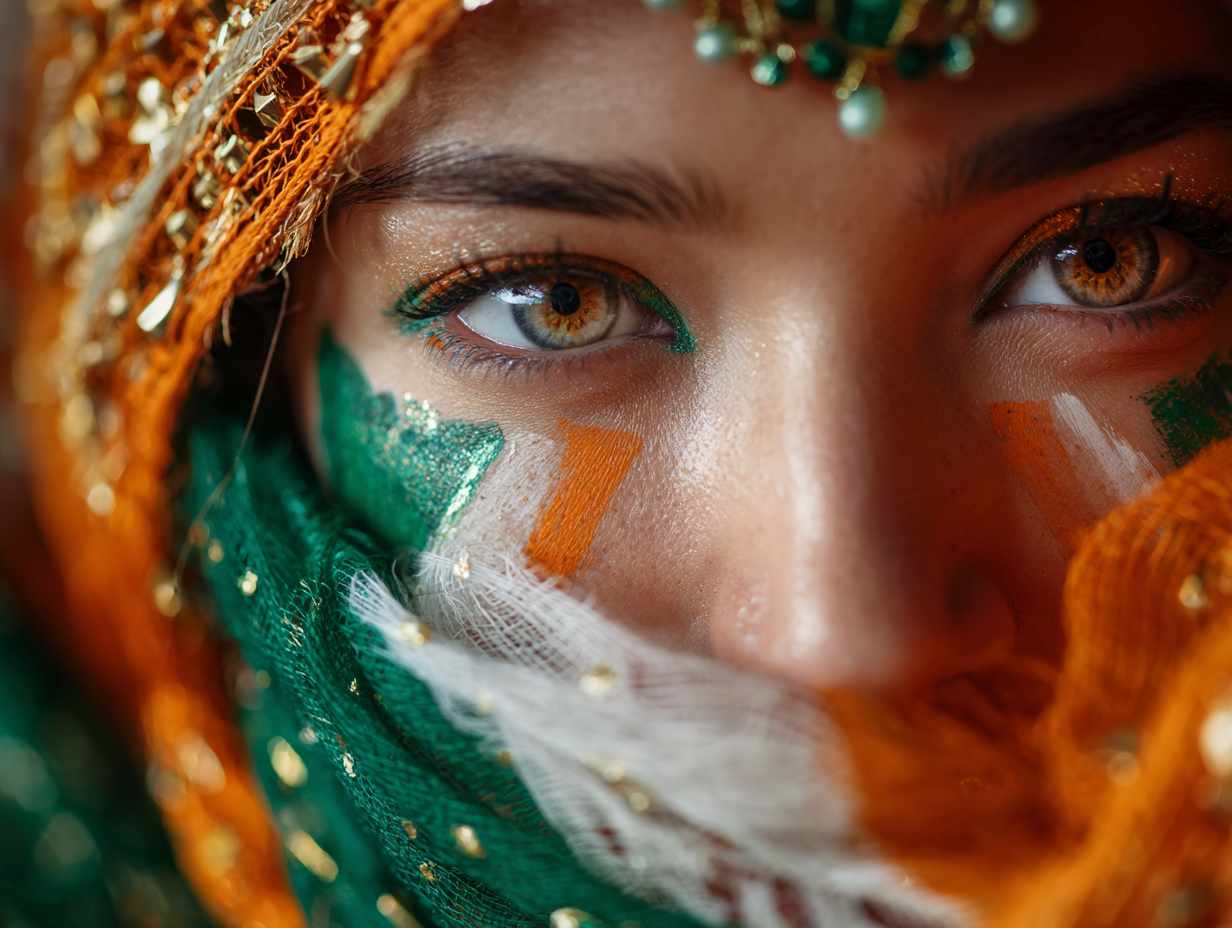
Symbolism woven into every gesture.
India — Sacred Fire as Eternal Witness
In India, fire stands at the center of many wedding ceremonies as a living symbol of truth, transformation, and eternity. As the couple circles the flame, each step represents a vow tied to duty, partnership, and spiritual growth. Fire does not observe passively—it bears witness, holding the couple accountable to their promises. This ritual teaches that love must be nurtured continuously, just as fire must be tended to remain alive.
A ritual older than words.
Greece — Crowns of Shared Destiny
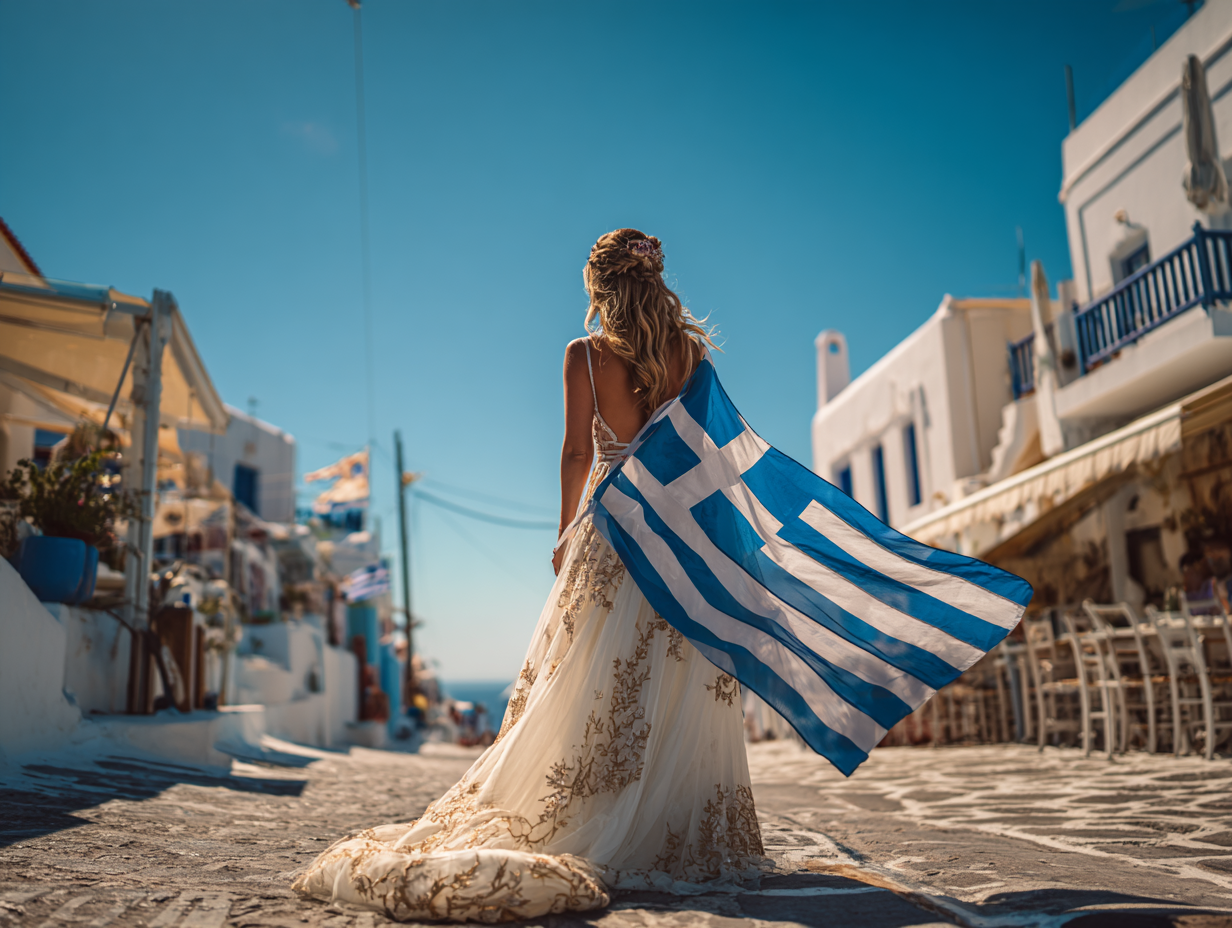
In Greek weddings, the stefana—crowns connected by ribbon—are placed on the couple’s heads during the ceremony. These crowns symbolize honor, unity, and the shared path the couple will walk together. The ribbon binding them serves as a visible reminder that their lives are now intertwined. This ritual transforms marriage into something worn, carried, and honored openly. Check if our team is available: Complimentary Consultation
The emotion that lives between moments.
Scotland — Handfasting and Physical Promise
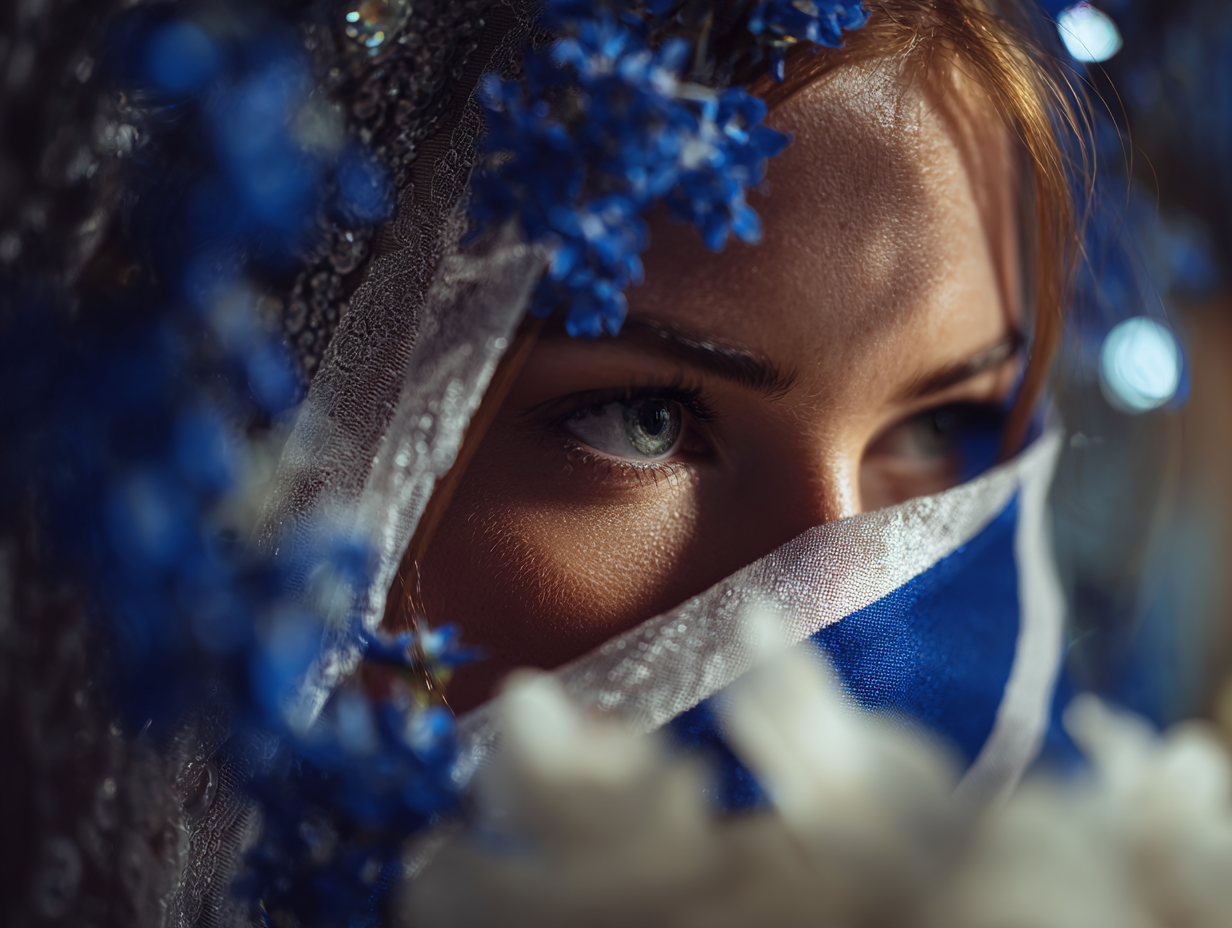
Scottish handfasting rituals bind the couple’s hands together with cord or fabric, turning promise into physical reality. The binding is temporary yet meaningful, symbolizing choice rather than constraint. As hands are tied, the couple feels the weight and warmth of commitment made tangible. This ritual reminds couples that love is not abstract—it is held, felt, and chosen repeatedly.
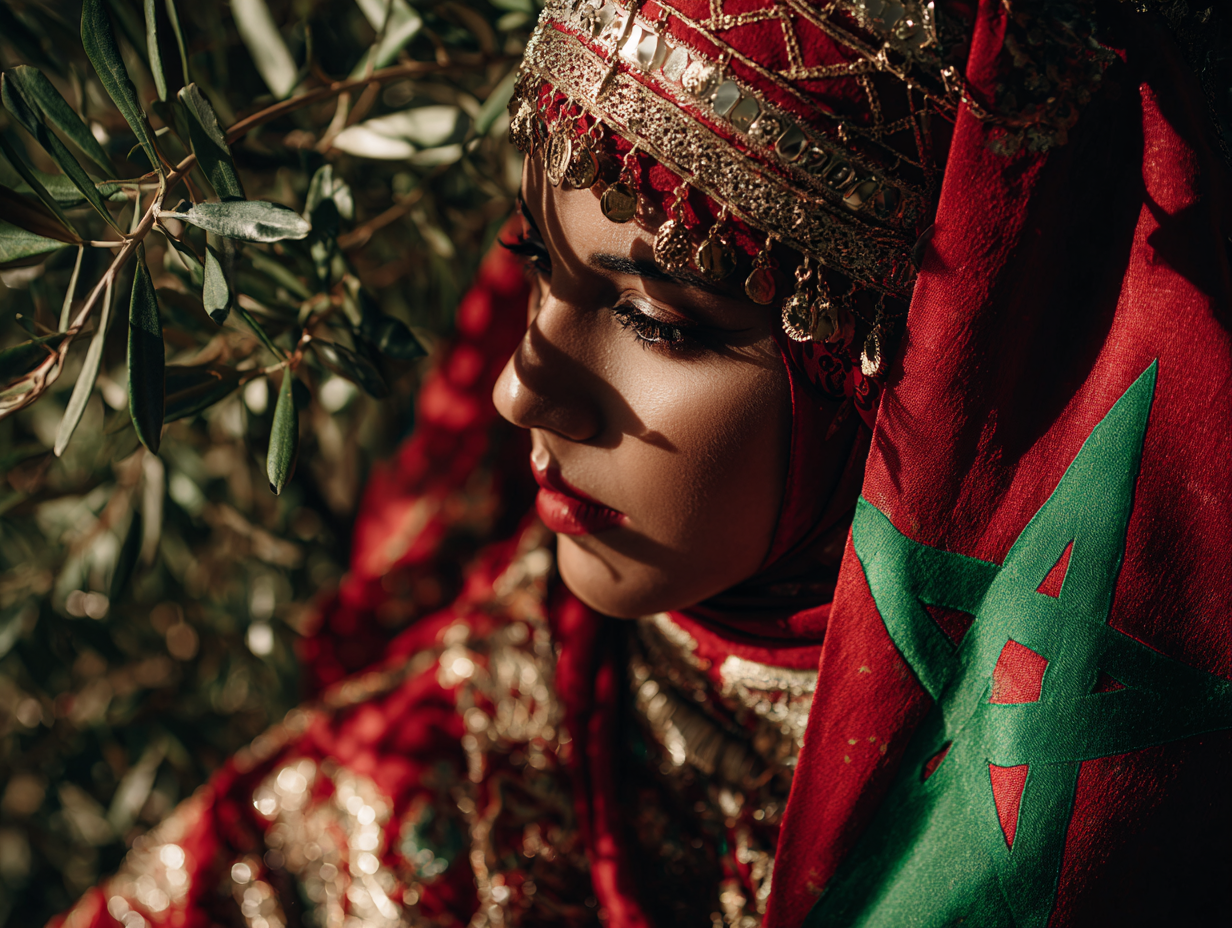
here tradition becomes feeling.
Morocco — Incense, Protection, and Transition
In Morocco, symbolic rituals often involve incense and ceremonial cleansing to protect the couple as they cross into married life. The smoke is believed to remove negative energy while blessing the path forward. This sensory ritual wraps the couple in sound, scent, and intention. It reflects a belief that love should begin its journey shielded, honored, and spiritually prepared.
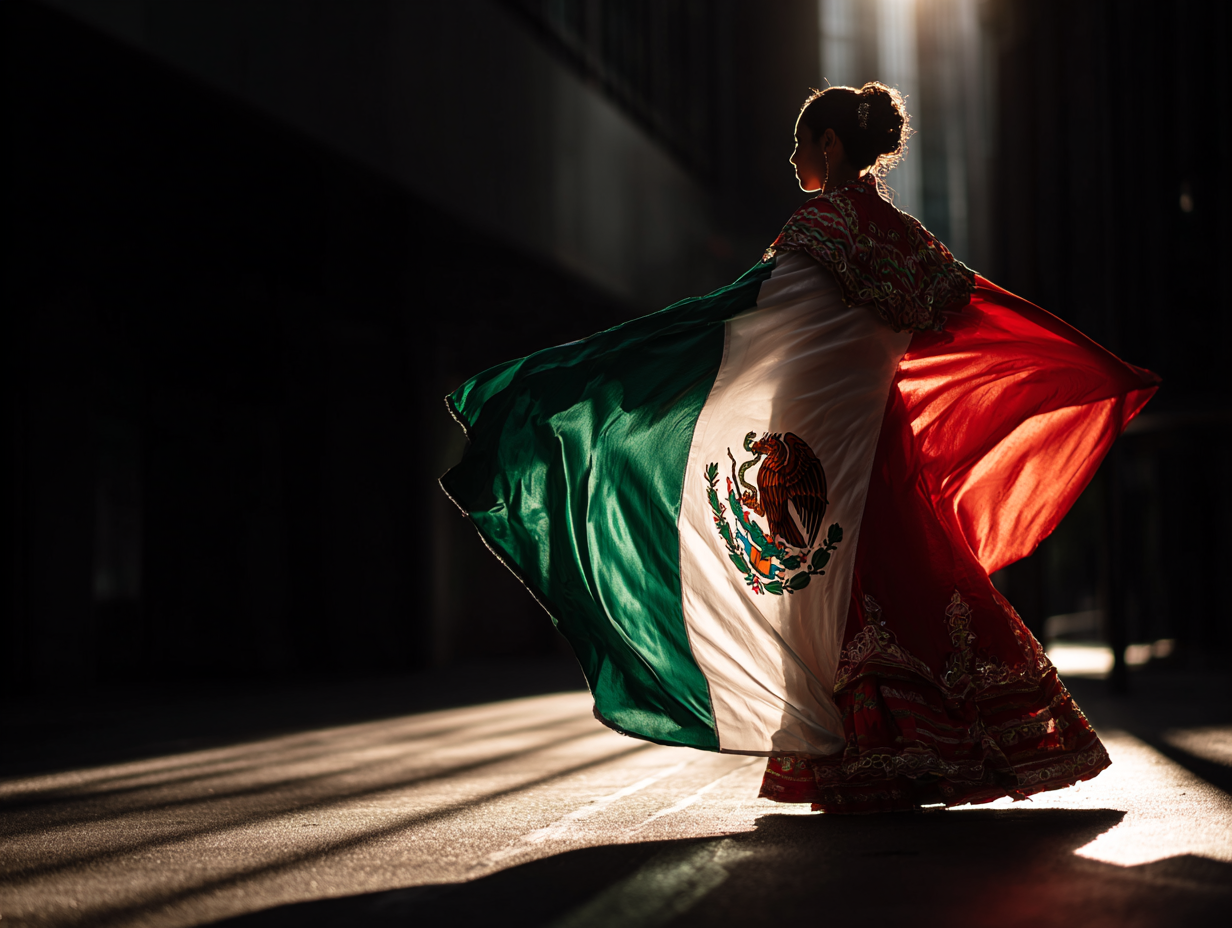
Celebration without restraint.
Mexico — The Lasso of Eternal Bond
In Mexican weddings, the lazo—a ceremonial cord or rosary—is placed around the couple in the shape of a figure eight. This symbol represents infinity, unity, and the unbroken bond of marriage. The ritual is often accompanied by blessings from family or godparents, reinforcing communal support. It teaches that love is both sacred and sustained by those who surround it.
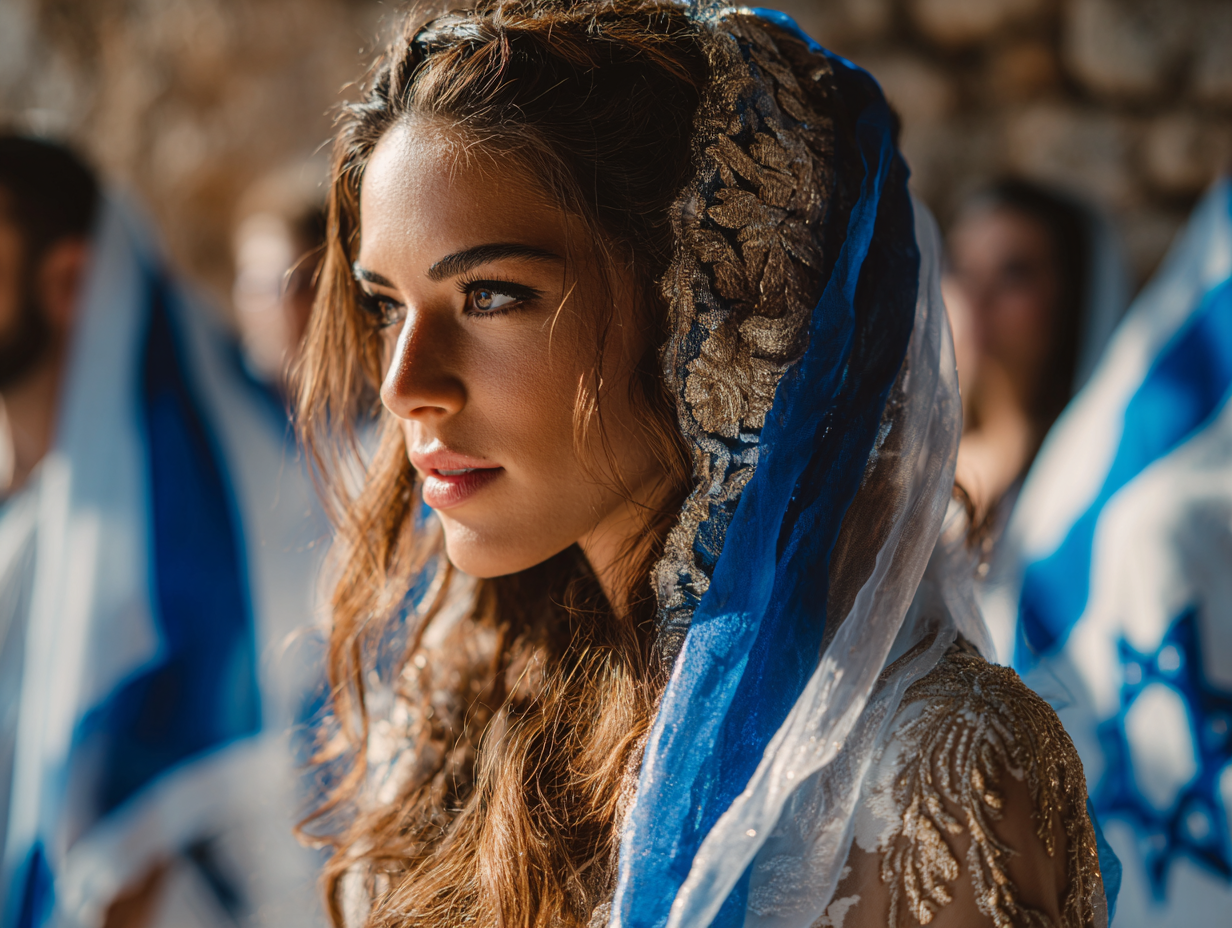
Honoring love through tradition.
Israel — Breaking the Glass
The breaking of glass in Jewish weddings is one of the most widely recognized symbolic rituals in the world. It serves as a reminder that joy and fragility coexist, and that love must be cherished because it is precious. Immediately following the break, celebration erupts, reinforcing resilience rather than sorrow. This ritual teaches couples that marriage is not about avoiding hardship, but about honoring love despite
A celebration rooted in heritage.
Latvia — Crowns Removed, Marriage Begins
In Latvia, symbolic crown rituals mark the transition from youth into marriage. Brides and grooms wear ceremonial crowns that are later removed, signaling the end of one life stage and the beginning of another. The removal is as meaningful as the wearing, acknowledging growth rather than loss. This ritual honors transformation with grace and clarity.
Carrying history into the present.
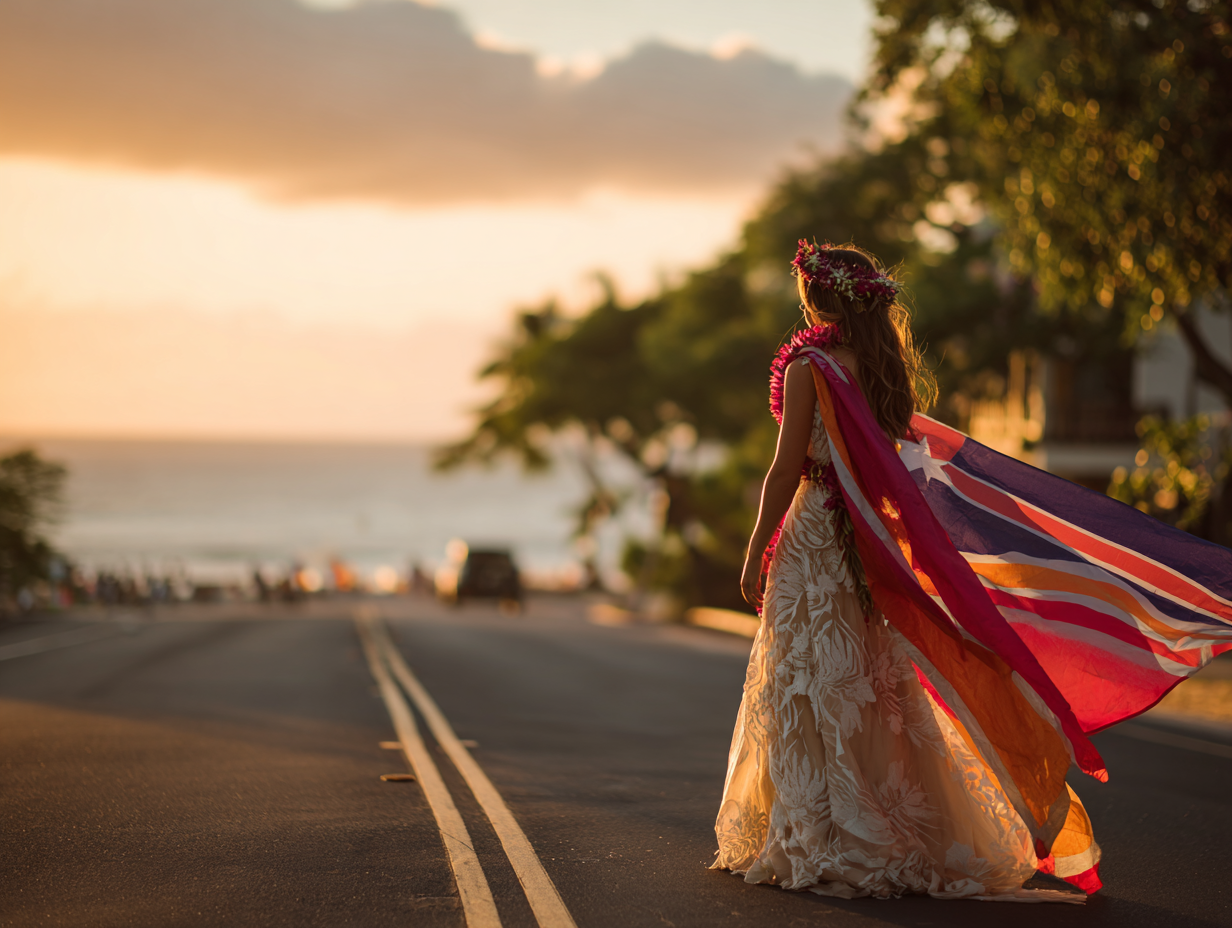
Hawaii — Leis and the Spirit of Place
Hawaiian weddings often incorporate the exchange of leis, symbolizing love, respect, and connection to land. Each lei is placed gently, wrapping the couple in the spirit of nature and ancestry. The ritual ties love not only to each other, but to place and community. It reflects the belief that marriage belongs to the world around it, not just the couple alone. Check if our team is available: Complimentary Consultation
A pause worth remembering.
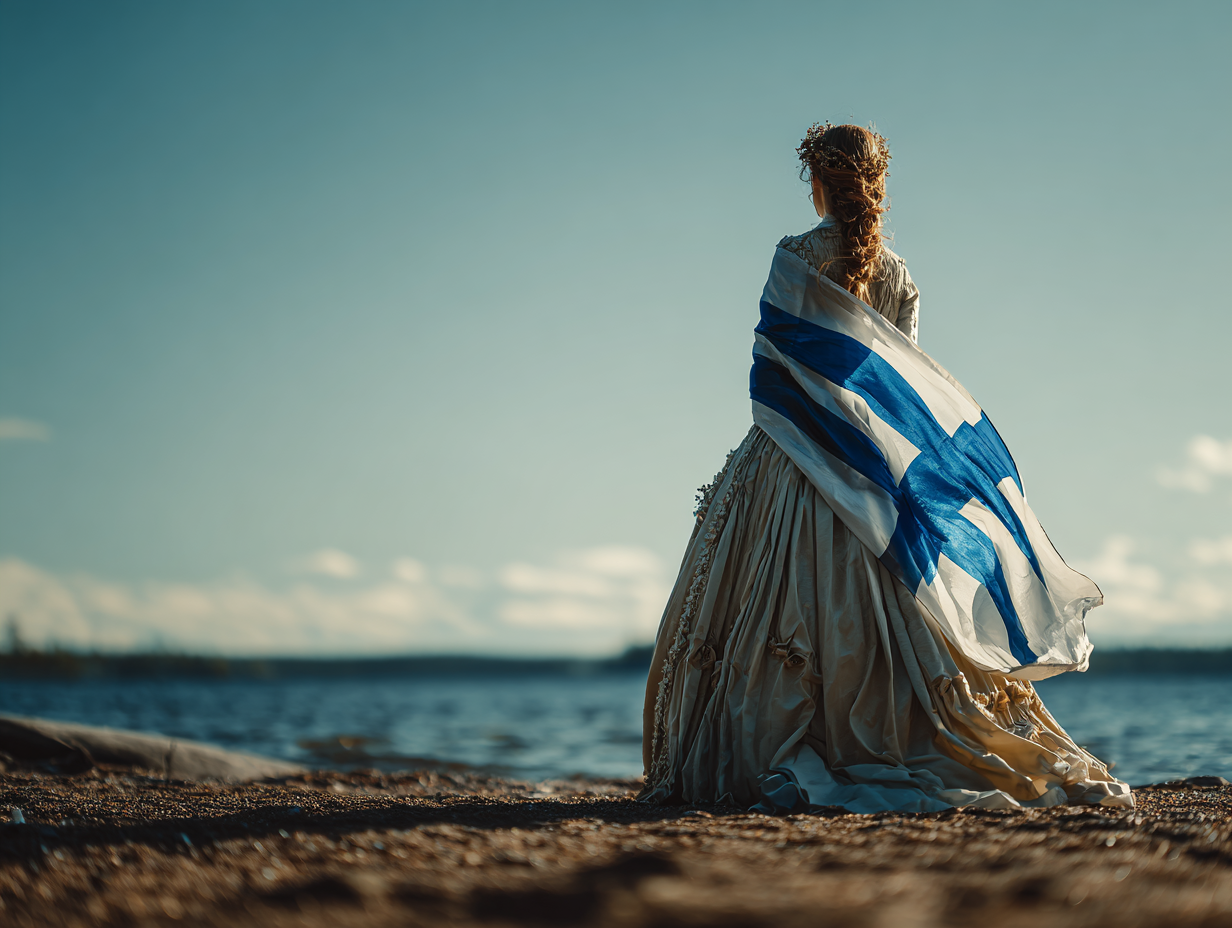
Finland — Cleansing and Renewal
In Finland, symbolic rituals may include cleansing traditions rooted in sauna culture, representing renewal and fresh beginnings. These rituals release the past while welcoming clarity and balance into the future. The symbolism is quiet but profound, emphasizing internal readiness rather than outward display. Marriage begins cleansed, grounded, and intentional.
Rituals that carry generations forward.
Indonesia — Rice, Blessing, and Prosperity
In Indonesia, rice is often used symbolically to bless the couple with abundance and prosperity. The grains represent life, sustenance, and continuity, anchoring marriage in survival and care. The ritual connects daily nourishment to long-term devotion. It teaches that love thrives when it is practical, generous, and shared.
Unscripted. Unrepeatable. Honest.
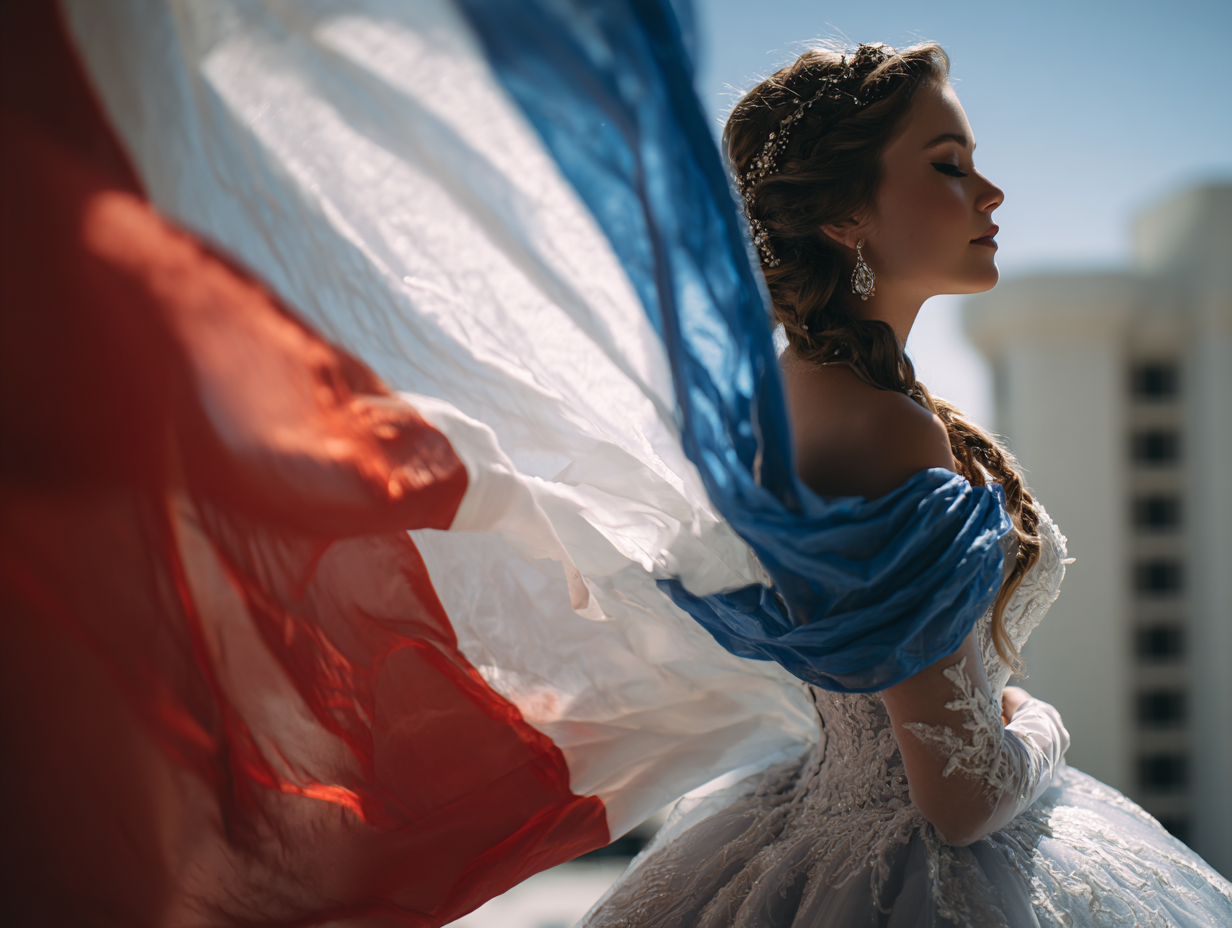
France — Civil Union & Conscious Choice
In France, the symbolic heart of marriage begins with the civil ceremony, emphasizing equality, intention, and conscious partnership over spectacle.
This ritual frames marriage as a deliberate agreement entered with clarity and responsibility.
The symbolism lies not in objects, but in intention—love chosen openly and thoughtfully.
For couples, it reinforces that commitment is powerful when it is intentional and grounded in shared values.
Soft moments, lasting impact.
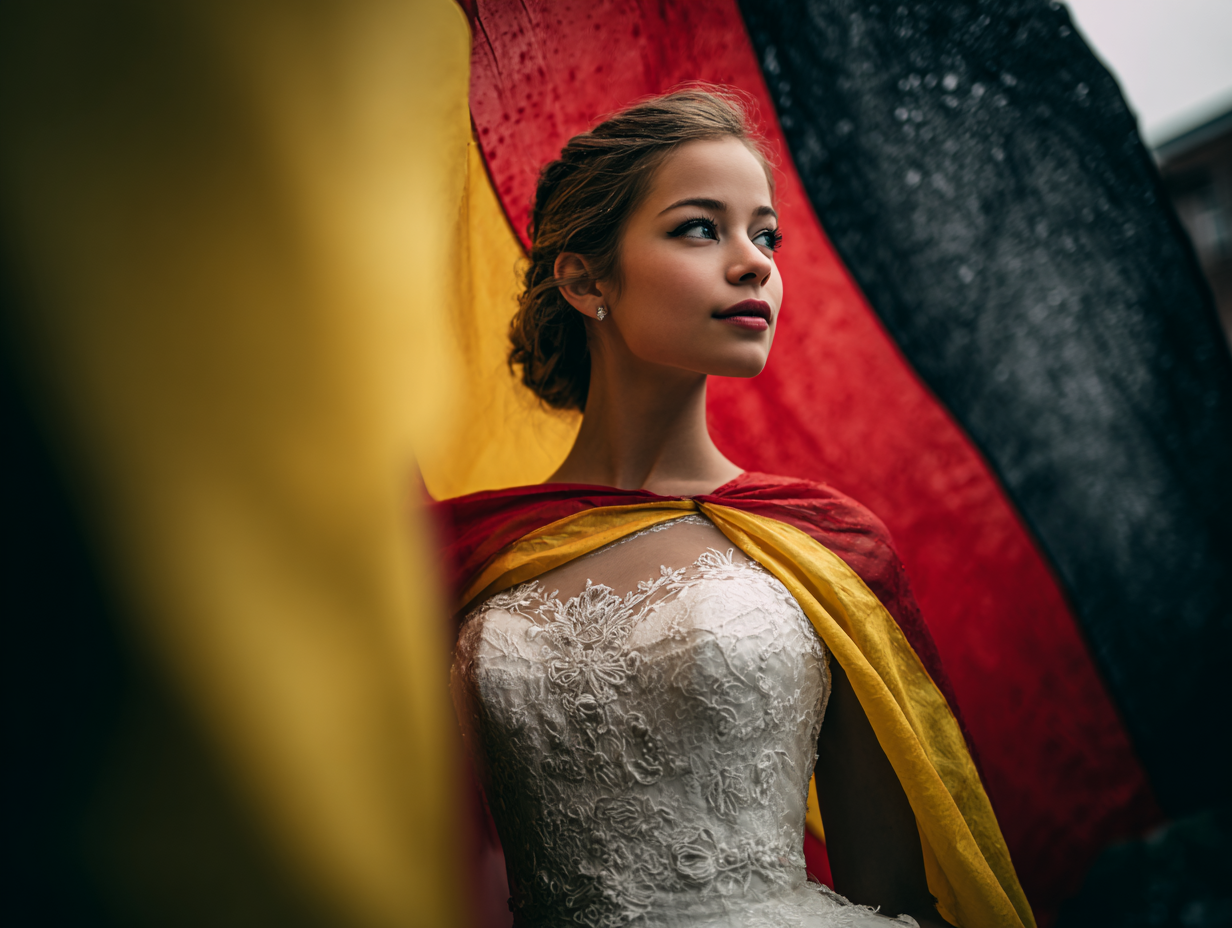
Germany — Order, Structure, and Shared Responsibility
German wedding symbolism often reflects structure and balance, emphasizing preparation and shared effort.
Rituals such as cooperative tasks symbolize that marriage is built through teamwork rather than romance alone.
The meaning is practical and honest—love must function as well as feel.
For couples, this tradition honors reliability, trust, and mutual accountability.
A moment shaped by meaning.
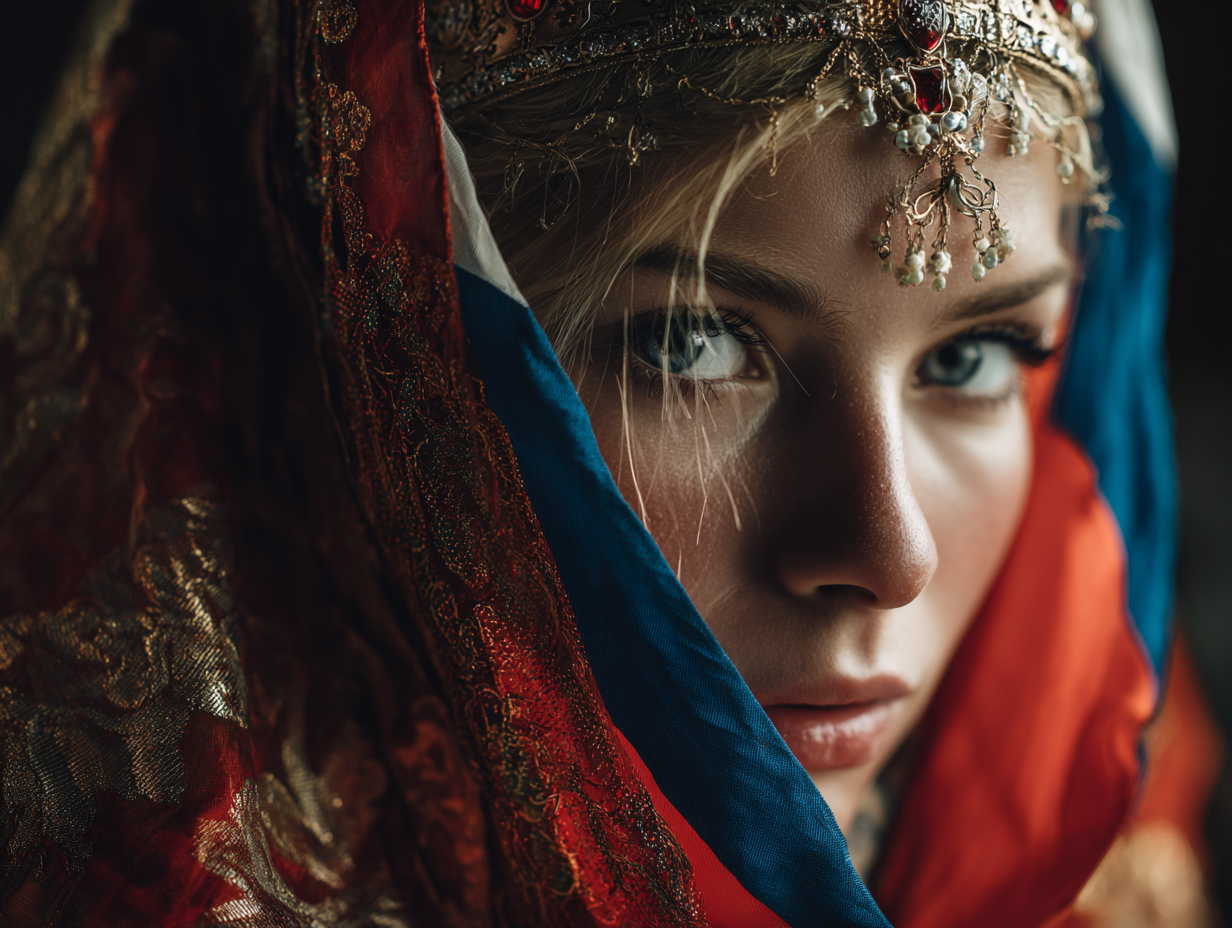
Russia — Bread, Salt, and Endurance
In Russia, couples are traditionally welcomed with bread and salt, symbols of hospitality, survival, and resilience.
Bread represents sustenance, while salt reminds couples that life will include both ease and hardship.
Sharing these elements together marks readiness to face life honestly.
Marriage here is blessed with strength as much as sweetness.
Meaning lives in the details.
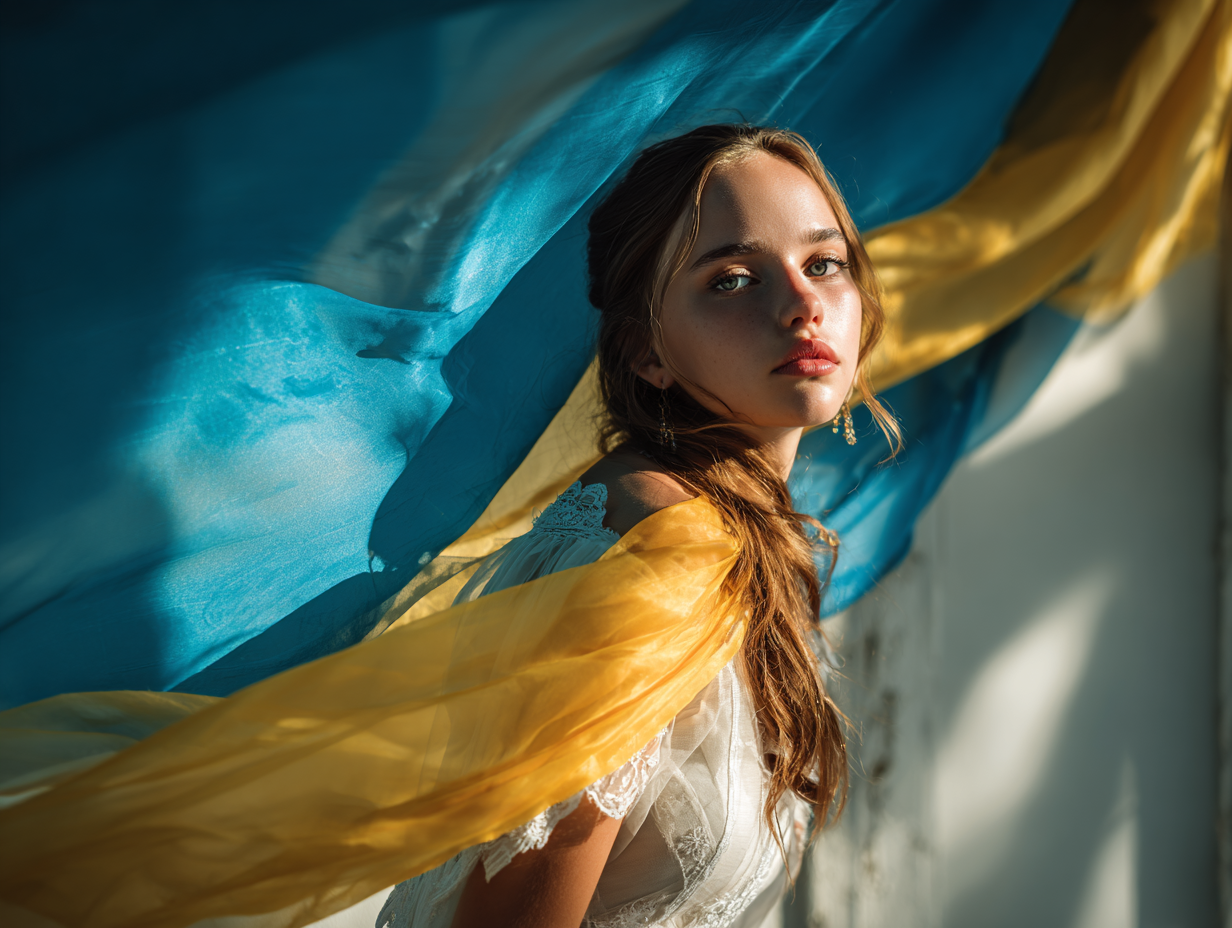
Ukraine — Rushnyk: The Path Forward
Ukrainian weddings often include the rushnyk, a hand-embroidered cloth on which the couple stands.
The cloth symbolizes the shared path of marriage and the journey ahead.
Traditionally, who steps first is playfully said to guide the household.
The ritual honors unity, destiny, and the road the couple will walk together.
A ritual older than words.
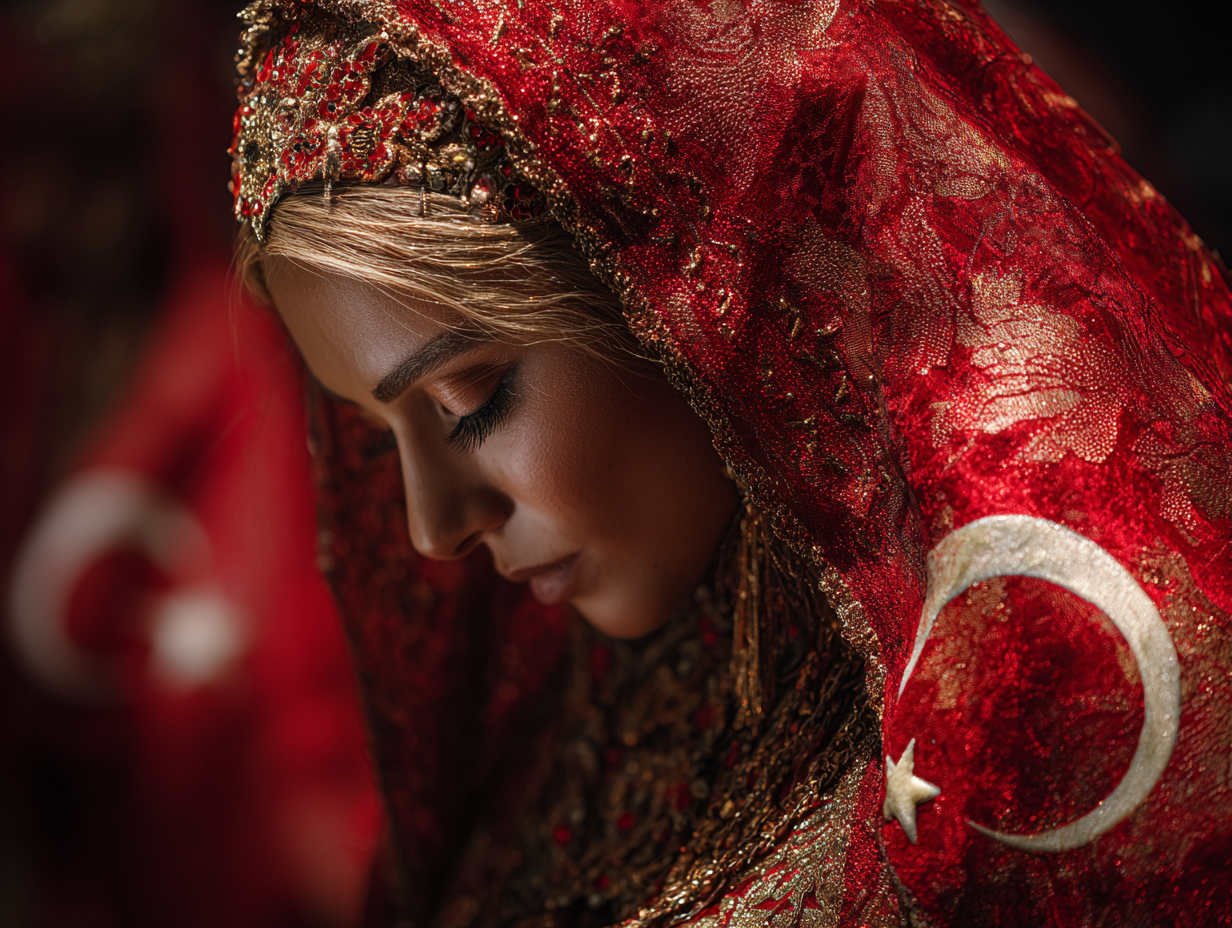
Turkey — Red Ribbon of Protection
In Turkey, a red ribbon is tied around the bride’s waist before the ceremony, symbolizing purity, protection, and good fortune.
The ribbon is usually tied by a close family member, adding generational blessing.
Red represents life force and strength.
The ritual frames marriage as something safeguarded by love and tradition.
A celebration rooted in heritage.
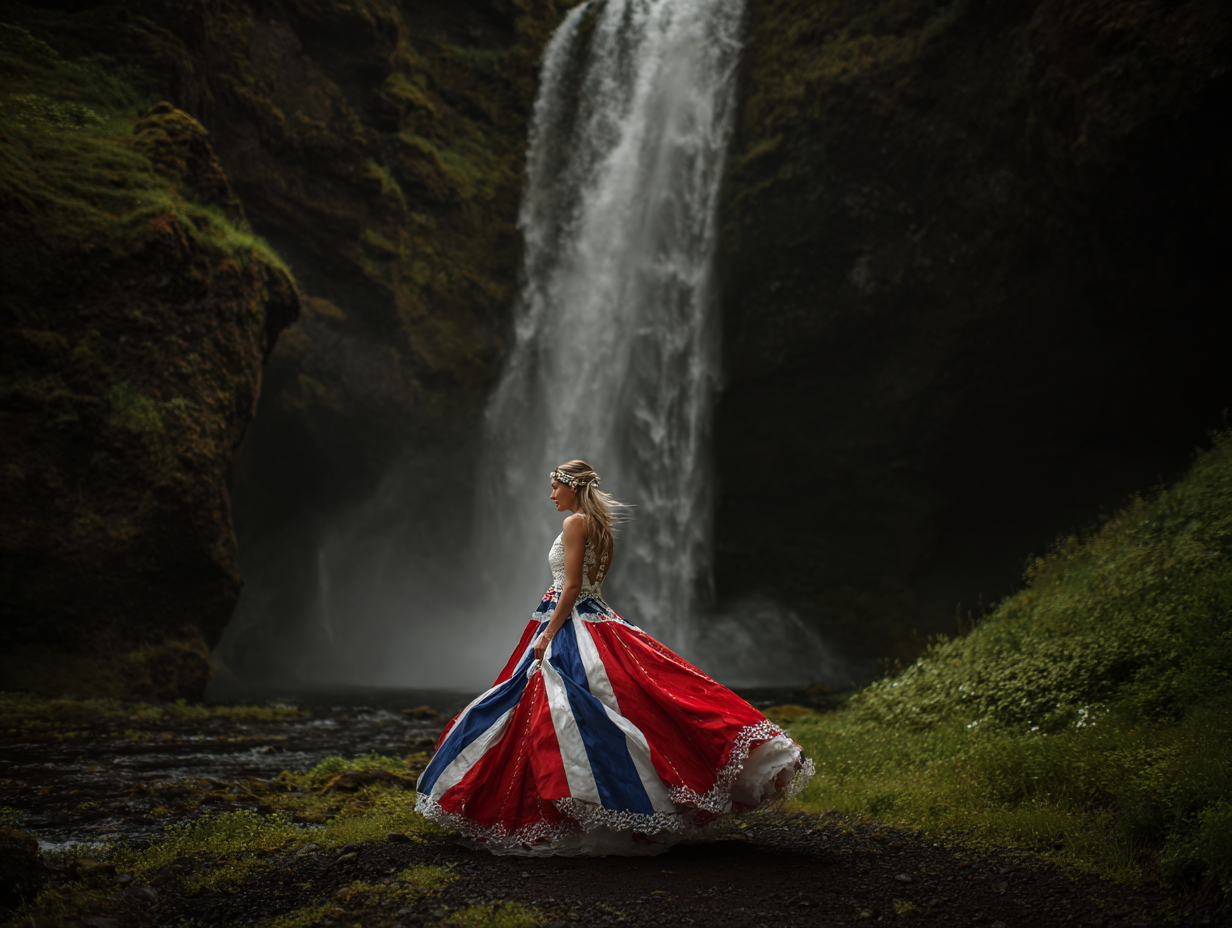
Iceland — Nature as Witness
Icelandic weddings often use nature itself as a symbolic presence—lava stone, water, wind, or earth.
The land is treated as a witness, grounding love in something elemental and enduring.
The symbolism speaks to resilience and authenticity.
For couples, it reminds them that love, like nature, is powerful, unpredictable, and real.
Celebration without restraint.
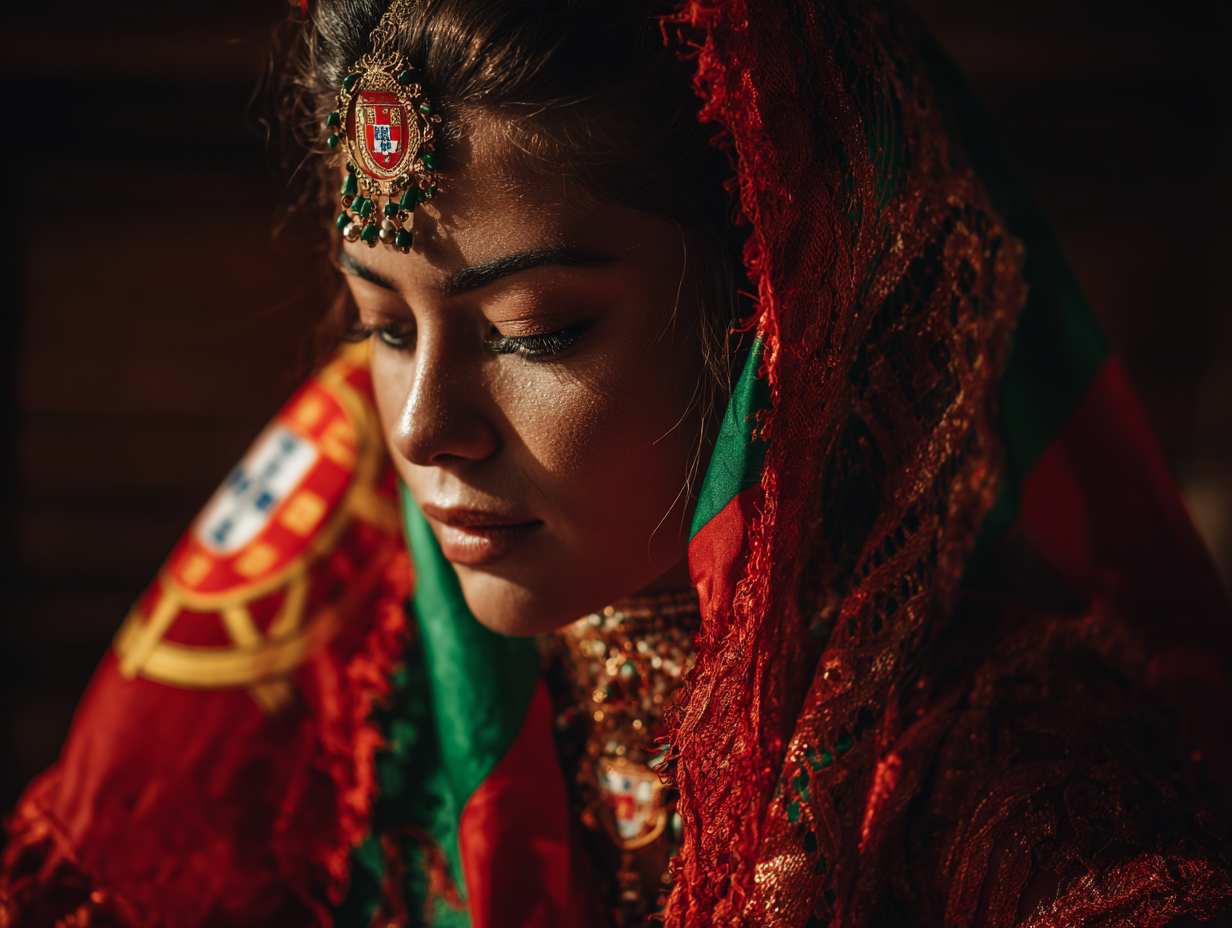
Portugal — Bells, Sound, and Public Blessing
In Portugal, bells often accompany key wedding moments, symbolizing joy announced to the wider world.
Sound carries blessing beyond the ceremony itself.
Marriage is declared openly, not privately contained.
The ritual honors love as something meant to be shared and lived outwardly. Check if our team is available: Complimentary Consultation
Elegance in simplicity.
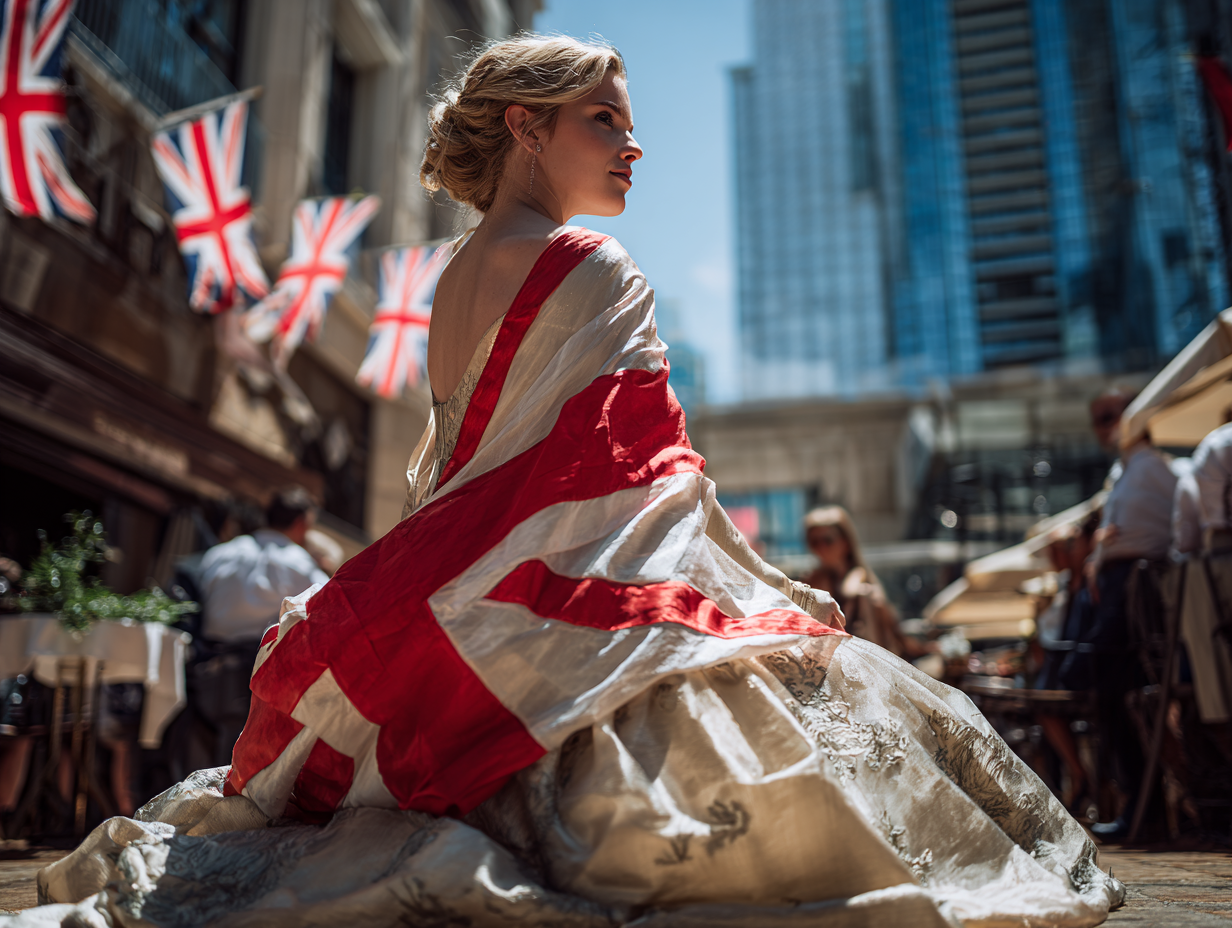
England — Spoken Consent & Witness
English wedding rituals emphasize spoken consent and public witnessing.
The symbolism lies in voice—choosing one another clearly, audibly, and before community.
Marriage becomes an act of accountability and transparency.
Love here is honored through clarity and honesty. Check if our team is available: Complimentary Consultation
Where culture and story meet.
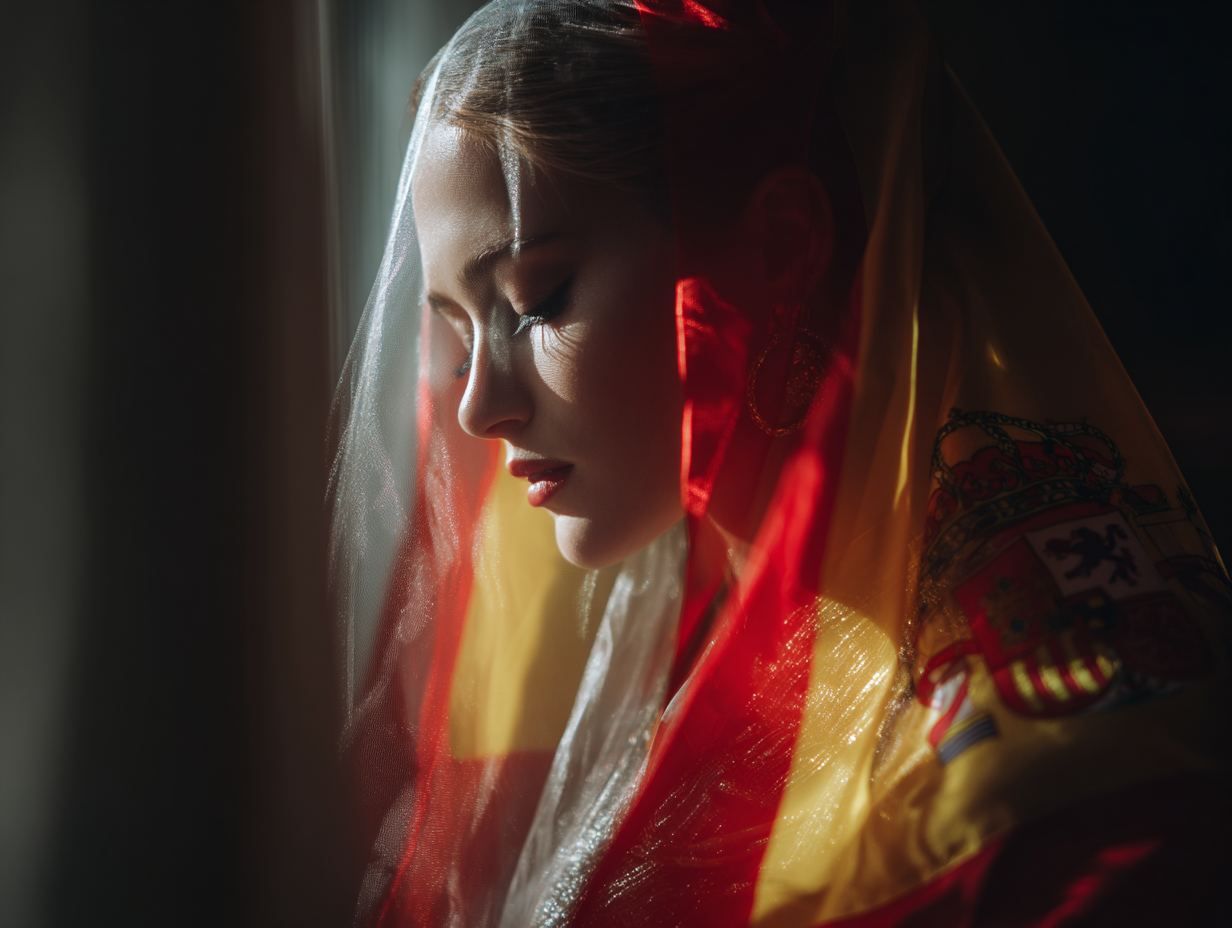
Spain — Unity Coins (Las Arras)
Spanish weddings often include las arras, thirteen coins exchanged between the couple.
They symbolize shared wealth, responsibility, and trust.
The ritual emphasizes partnership over possession.
Marriage is framed as a promise of mutual care and provision. Check if our team is available to capture the moment: Complimentary Consultation
A story unfolding naturally.
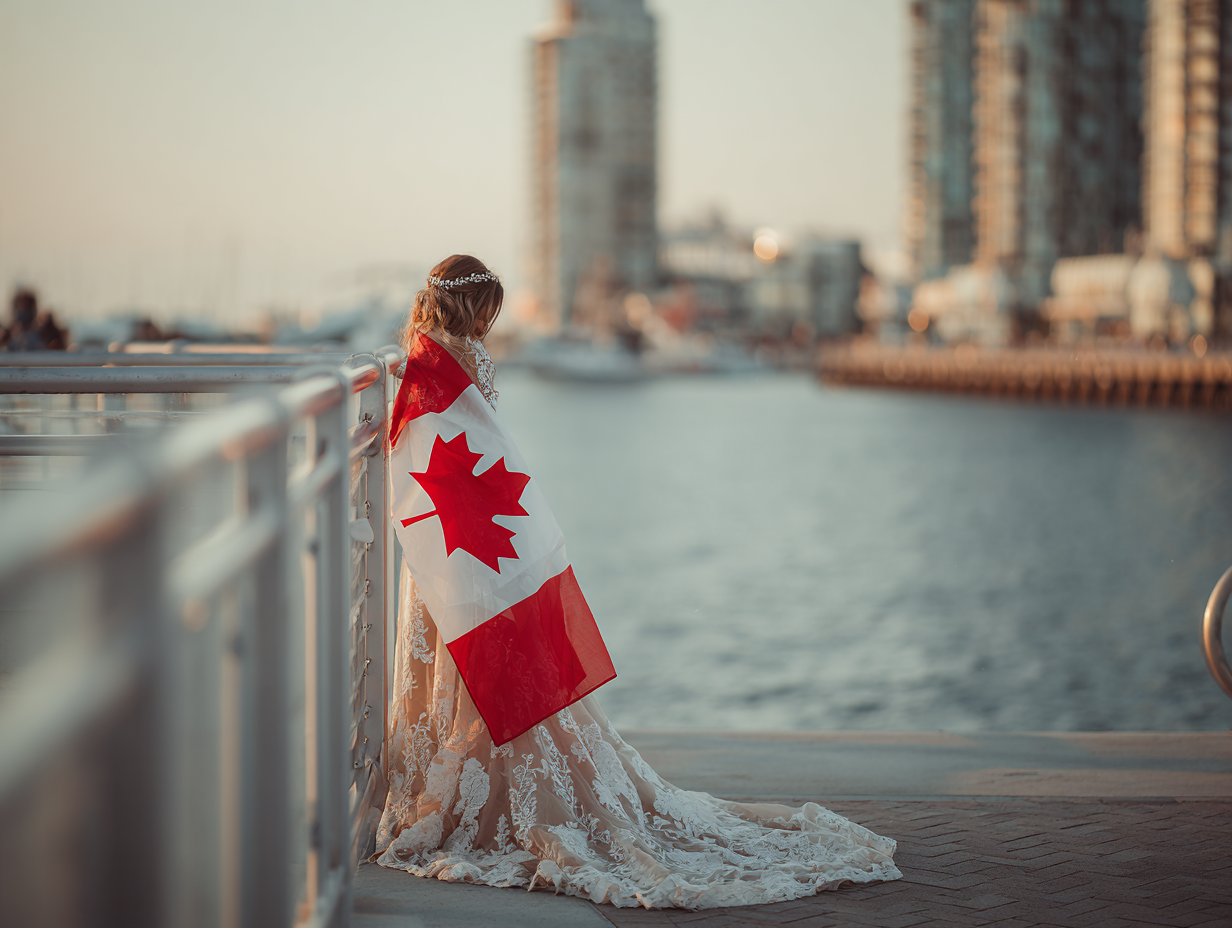
Canada — Blended Traditions & Personal Symbolism
Canadian weddings often blend multiple cultures and belief systems into personalized symbolic rituals.
Unity candles, sand ceremonies, or shared vows reflect inclusivity and adaptability.
The symbolism honors diversity and choice.
Marriage here is celebrated as uniquely defined by the couple themselves.
Honoring love through tradition.
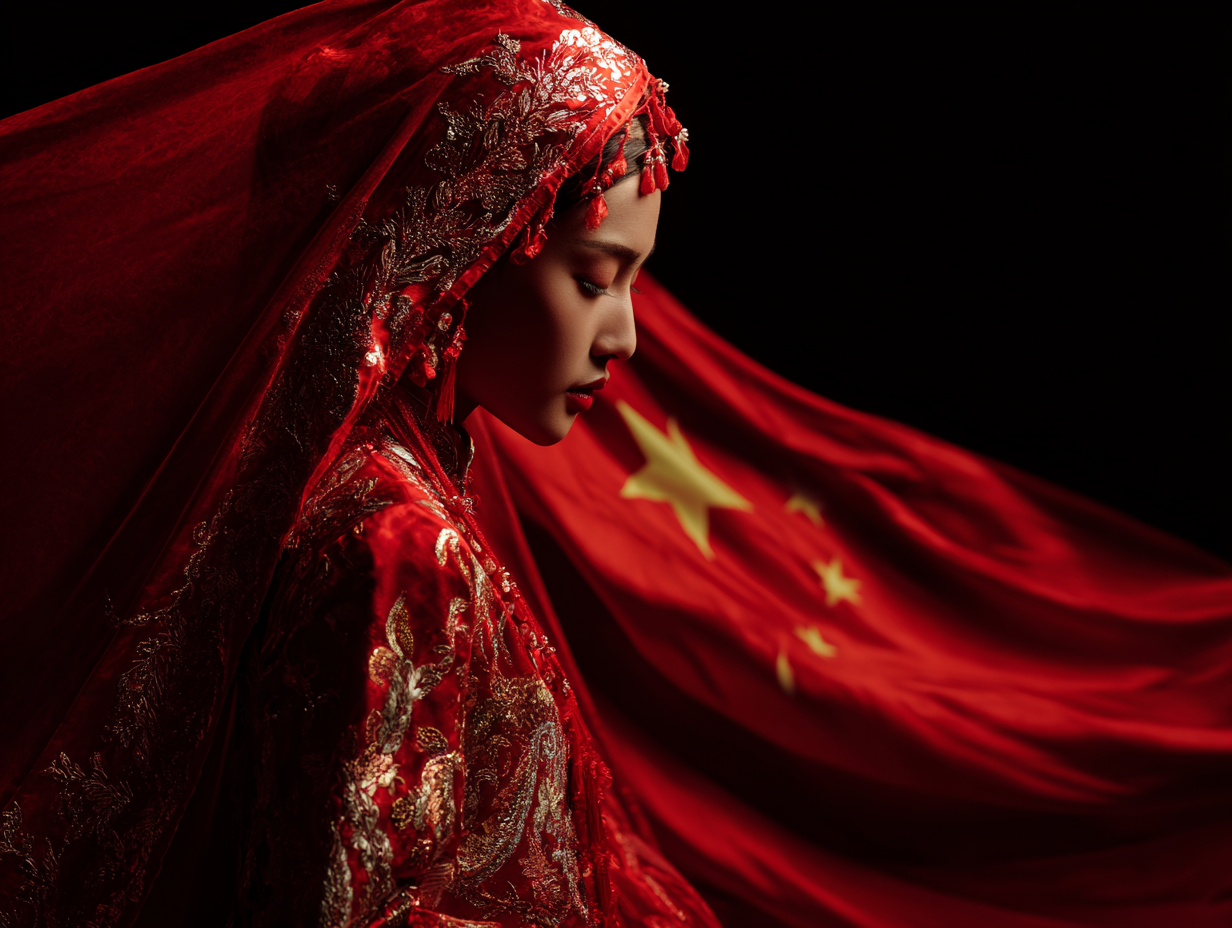
China — Tea Ceremony & Filial Respect
The Chinese tea ceremony symbolizes gratitude, respect, and the merging of families.
Serving tea to elders honors lineage and blessing.
The ritual reinforces humility and continuity.
Marriage begins with reverence for those who came before.
A celebration rooted in heritage.
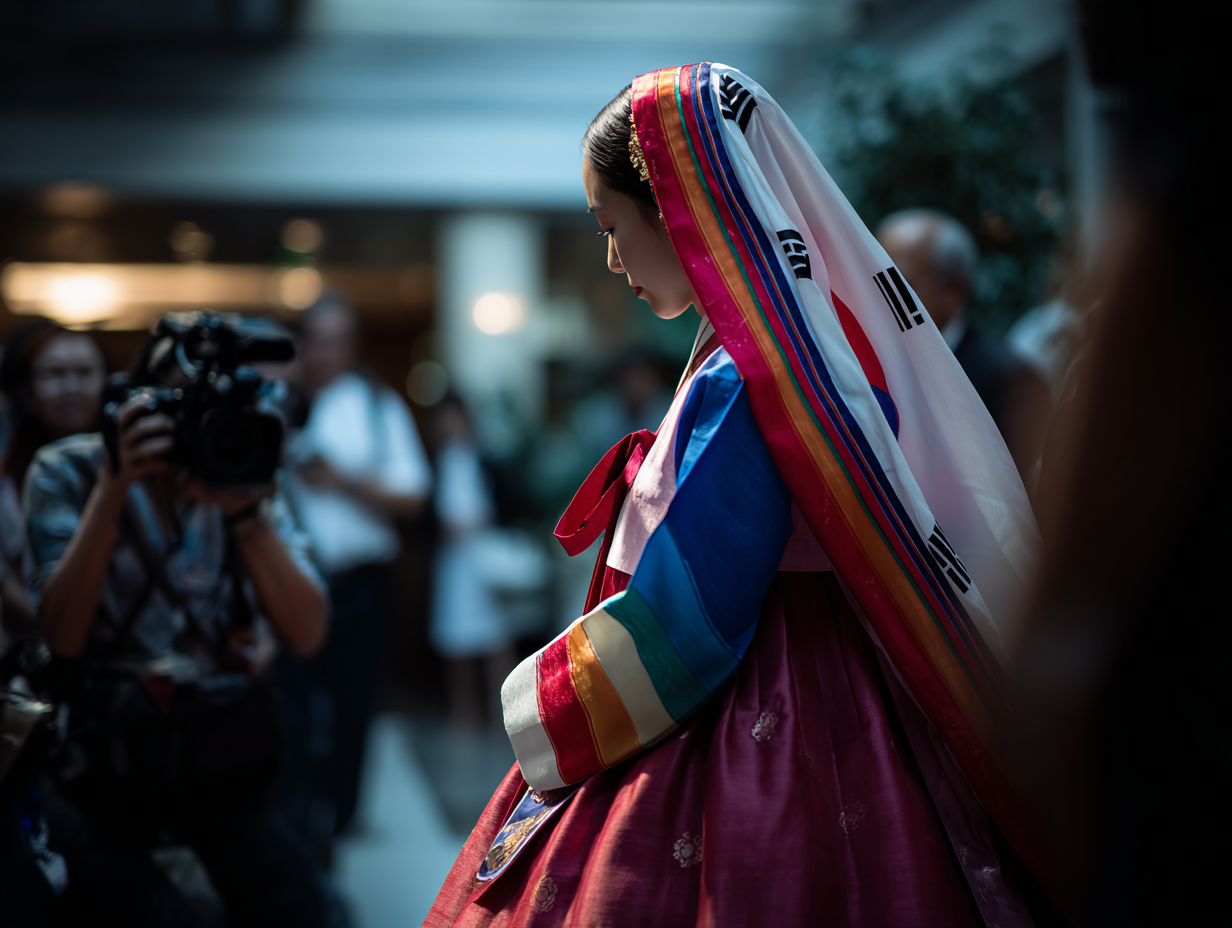
South Korea — Bowing & Ancestral Honor
Traditional Korean weddings include deep bows to elders and ancestors.
The symbolism centers on respect, gratitude, and responsibility.
Marriage is acknowledged as a continuation of family legacy.
Love is framed as something carried forward, not started anew.
Where tradition becomes feeling.
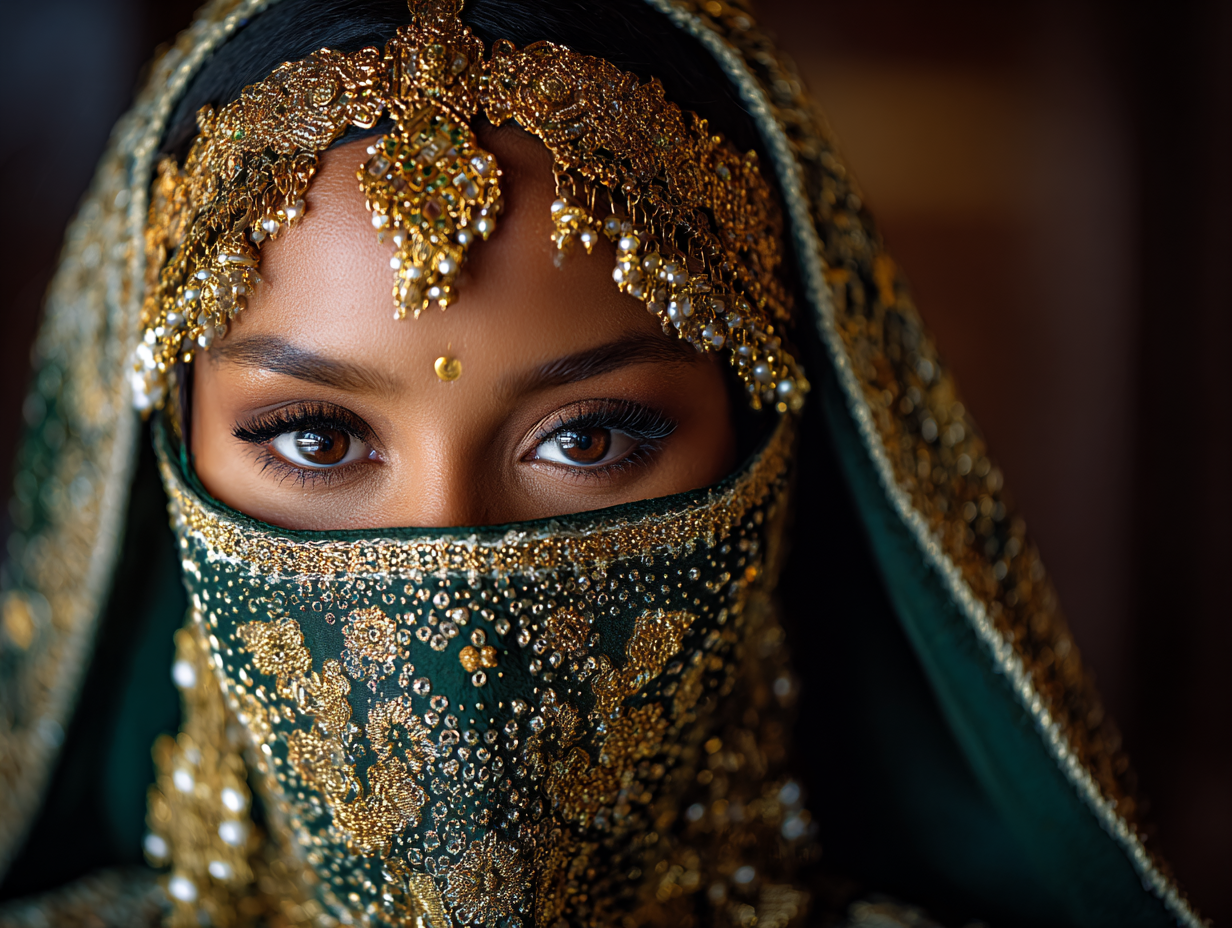
Saudi Arabia
In Saudi Arabia, marriage is celebrated as a deeply meaningful union shaped by faith, family, and long-standing tradition, where elegance and reverence coexist with grandeur. Weddings are often held in separate celebrations for men and women, allowing each space to reflect its own customs, expressions of joy, and cultural rhythms, while honoring modesty and respect. The celebrations are rich with symbolism—prayers for blessing, generosity through abundant feasts, and the presence of extended family affirming that marriage is not only a bond between two people, but a union of families and values. For couples, a Saudi wedding represents continuity and honor, where love is celebrated with dignity, intention, and a profound respect for spiritual foundation, making the beginning of married life feel both sacred and enduring.
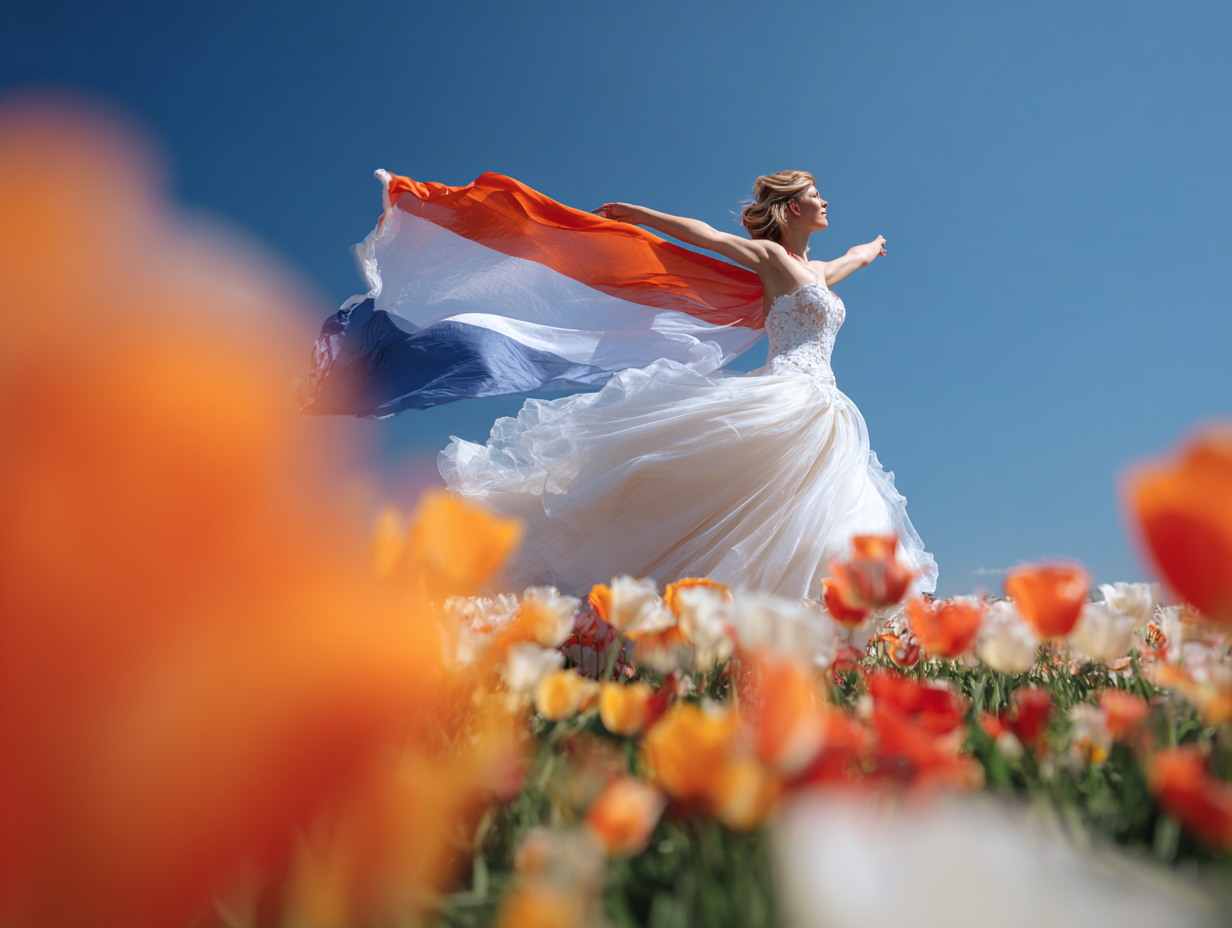
Netherlands - partnership, simplicity, and authentic connection.
In Netherlands, marriage is celebrated with a refined balance of sincerity, personal expression, and understated elegance, reflecting a cultural appreciation for authenticity over excess. Dutch weddings often emphasize equality and partnership, beginning with a civil ceremony that legally and symbolically anchors the union before any religious or celebratory gathering takes place. The atmosphere is typically warm and relaxed—thoughtful details, meaningful speeches, and shared moments take precedence over formality—allowing the couple’s story to remain at the center. For couples, a wedding in the Netherlands feels deeply intentional and grounded, celebrating love as a conscious choice rooted in mutual respect, honesty, and the quiet joy of building a life together. Check if our team is available to capture the moment: Complimentary Consultation
Carried by rhythm and connection.
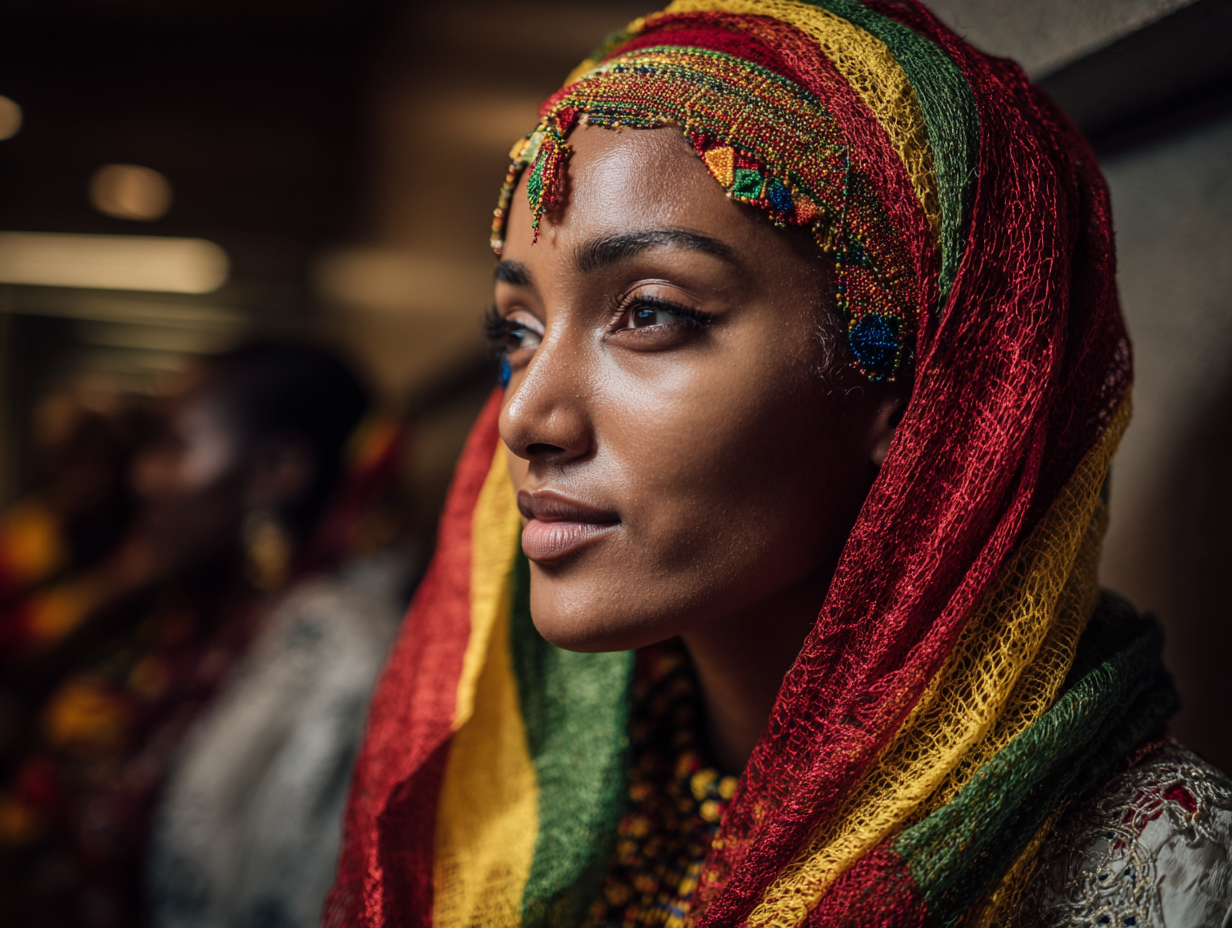
Ethiopia — Sacred Crowns and Spiritual Union
In Ethiopia, symbolic wedding rituals are deeply rooted in faith, where crowns are placed upon the couple to signify honor, responsibility, and spiritual unity.
The crowns are not decorative, but meaningful, marking the couple as stewards of a shared life blessed within a sacred tradition.
Music, incense, and prayer often surround the ritual, creating an atmosphere of reverence and depth.
For couples, Ethiopian symbolism frames marriage as both a spiritual calling and a lifelong commitment guided by faith, humility, and shared purpose.
Love, shaped by place.
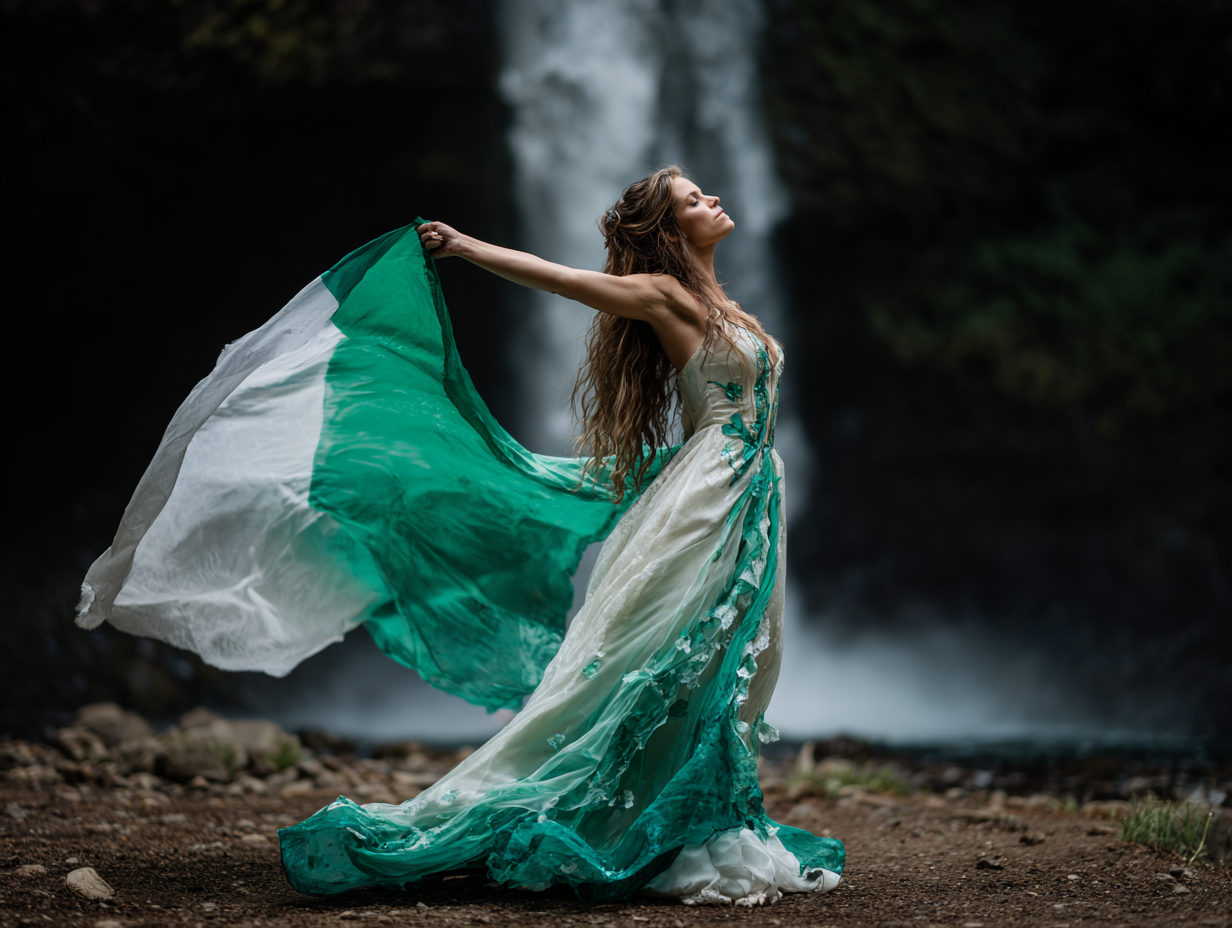
Ireland — The Claddagh: Hands, Heart, and Crown
In Ireland, symbolic wedding elements often center around the Claddagh motif, where hands represent friendship, the heart symbolizes love, and the crown stands for loyalty.
Whether incorporated through rings, blessings, or spoken symbolism, the Claddagh reminds couples that marriage is sustained by more than romance alone.
The imagery emphasizes balance—love held by trust, devotion guided by respect.
For couples, this symbolism offers a gentle reminder that lasting love is built when friendship, affection, and commitment move together as one.
The Art of Wedding Storytelling
As a photographer and founder of LIghtStrikes Photography, I believe the most beautiful weddings are felt, not performed.At LightStrikes, we approach wedding photography as a form of quiet artistry—capturing not only the beauty of your day, but its soul, its meaning, and the emotions that unfold between moments. Beyond creating a refined, story-driven gallery, our team offers thoughtful timeline planning and expert guidance, allowing you to move through your wedding day with ease, intention, and presence. Book a complimentary consultation and share your vision with us.
For further inspiration, we invite you to explore the stories linked below.
Weddings around the world
Cultural guide, inspiration & ideas
Symbolic rituals are the threads that quietly hold a wedding together, giving meaning to every other moment. They prepare the heart before the ceremony, deepen vows, energize celebration, and ground marriage in something lasting. As you continue your journey, explore our guides on wedding preparations, ceremony traditions, vow rituals, grand entrances, first dances, and post-wedding customs—each revealing another layer of how love is honored around the world. Together, these stories form not just a wedding day, but a marriage shaped with intention, culture, and soul.